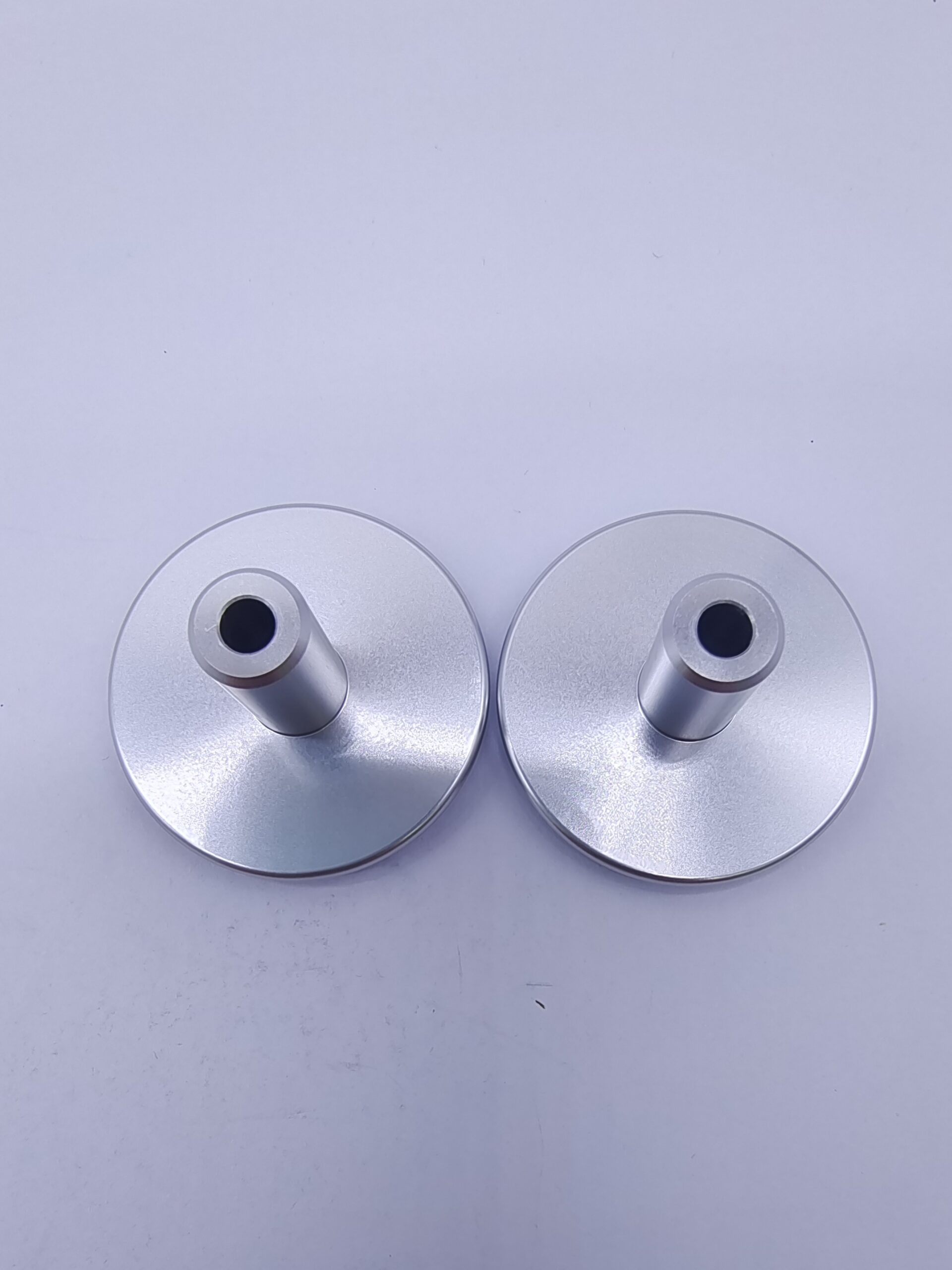
Description
What is CNC Machining process?
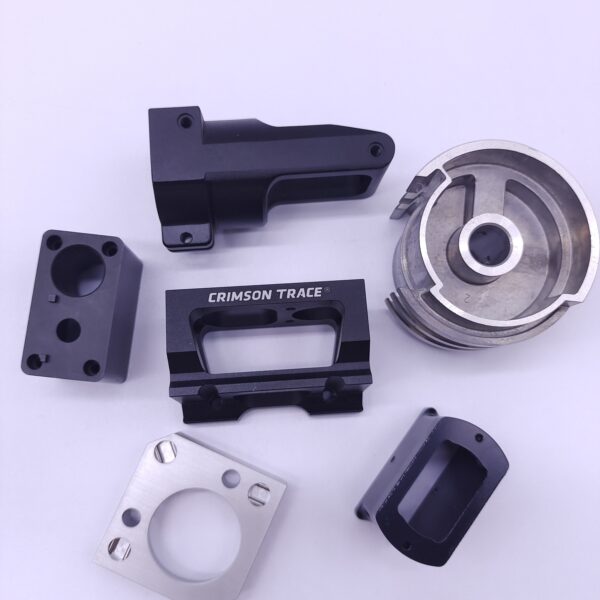
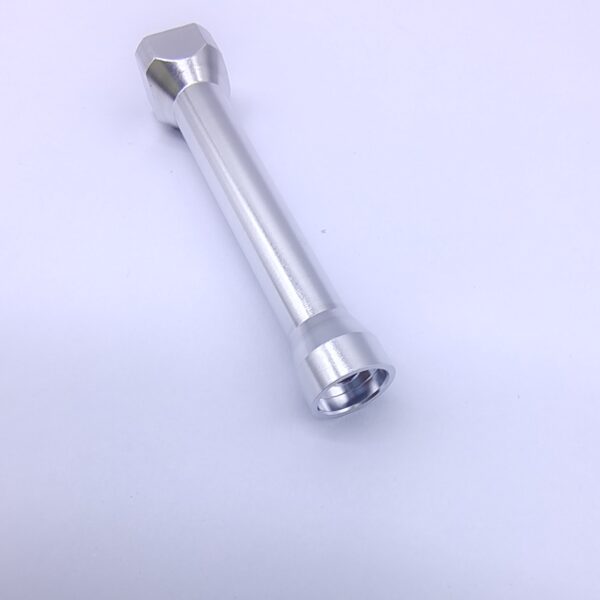
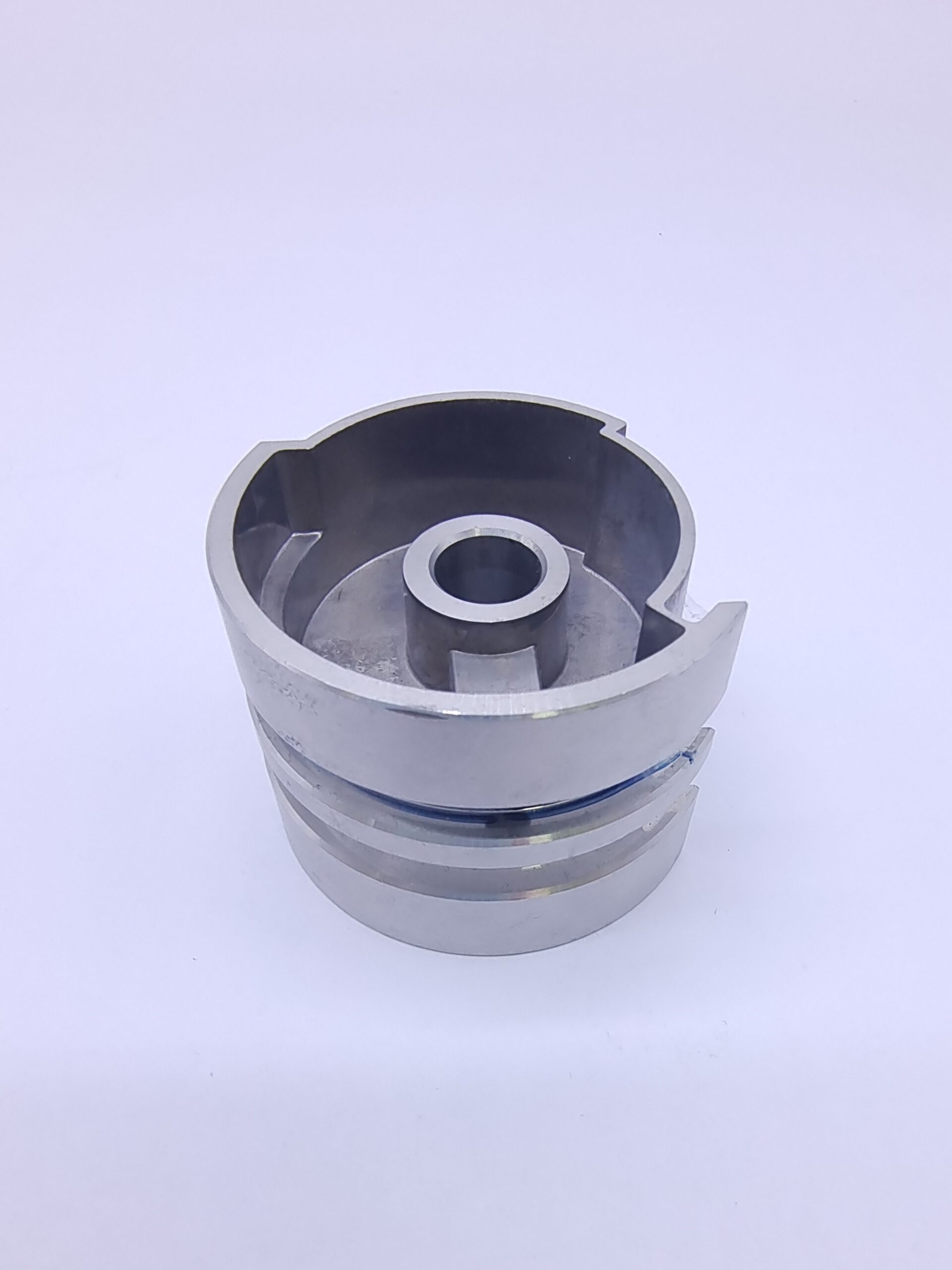
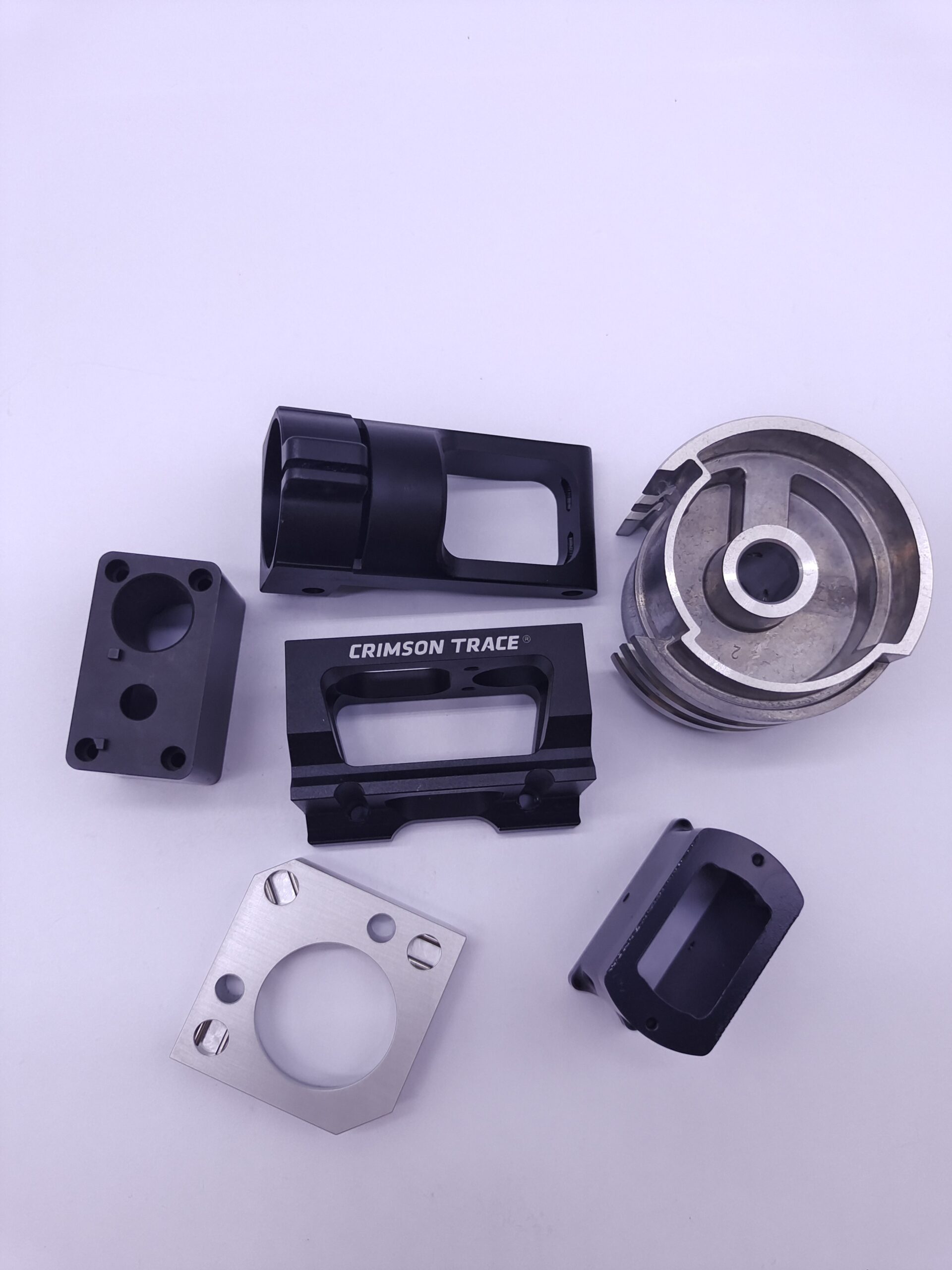
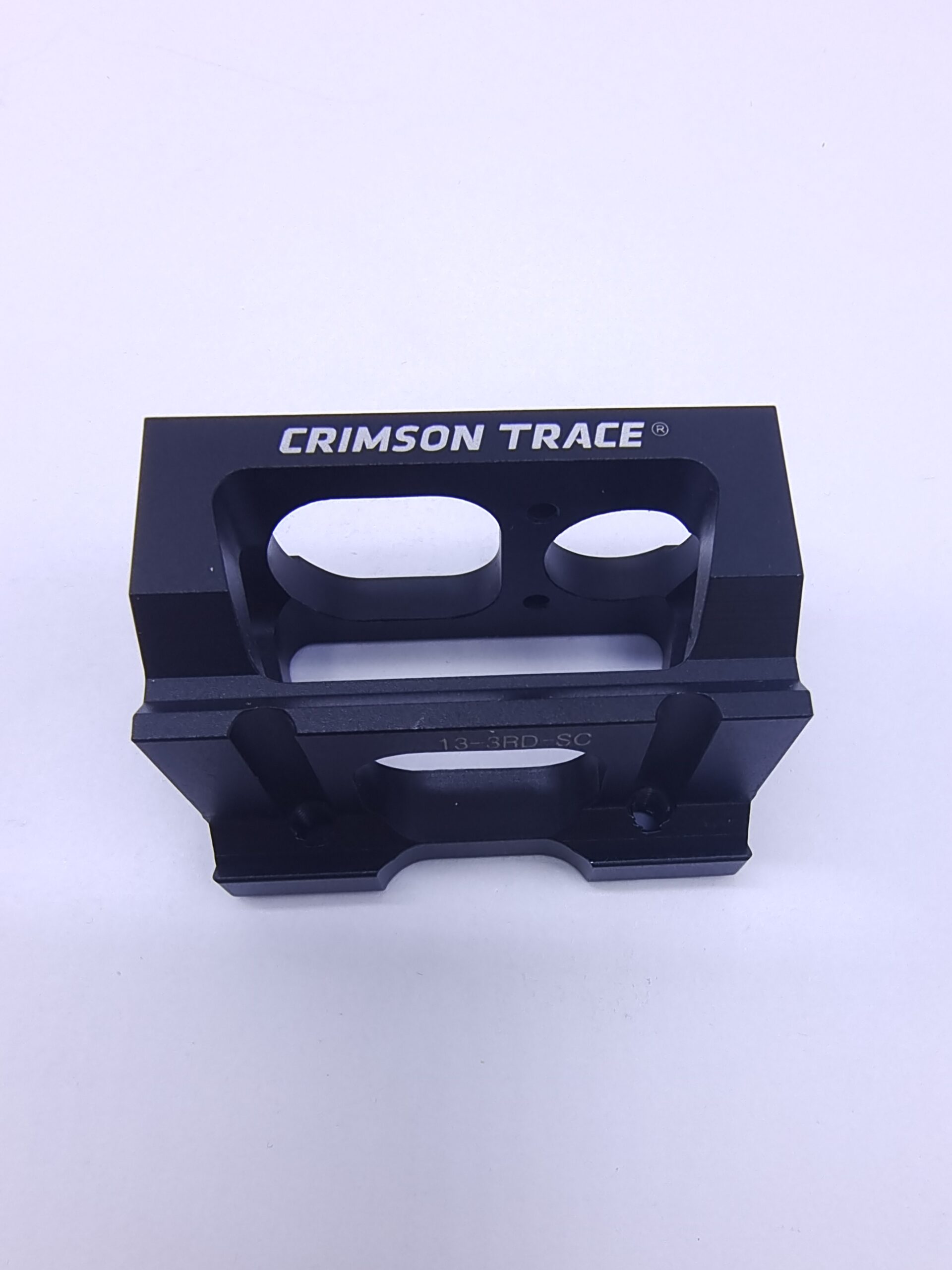
CNC machining is a transformative manufacturing process that uses computer-controlled machines to remove material from a solid block (called a “blank” or “workpiece”) to create a precise part.
Think of it as a highly sophisticated, automated version of carving or sculpting, where a computer dictates the exact movements of cutting tools.
Types of CNC Machines
- CNC Mills (Milling Machines):Use rotating cutting tools to remove material. The workpiece is usually stationary, and the tool moves in multiple axes (3-axis, 4-axis, or 5-axis for extremely complex shapes).
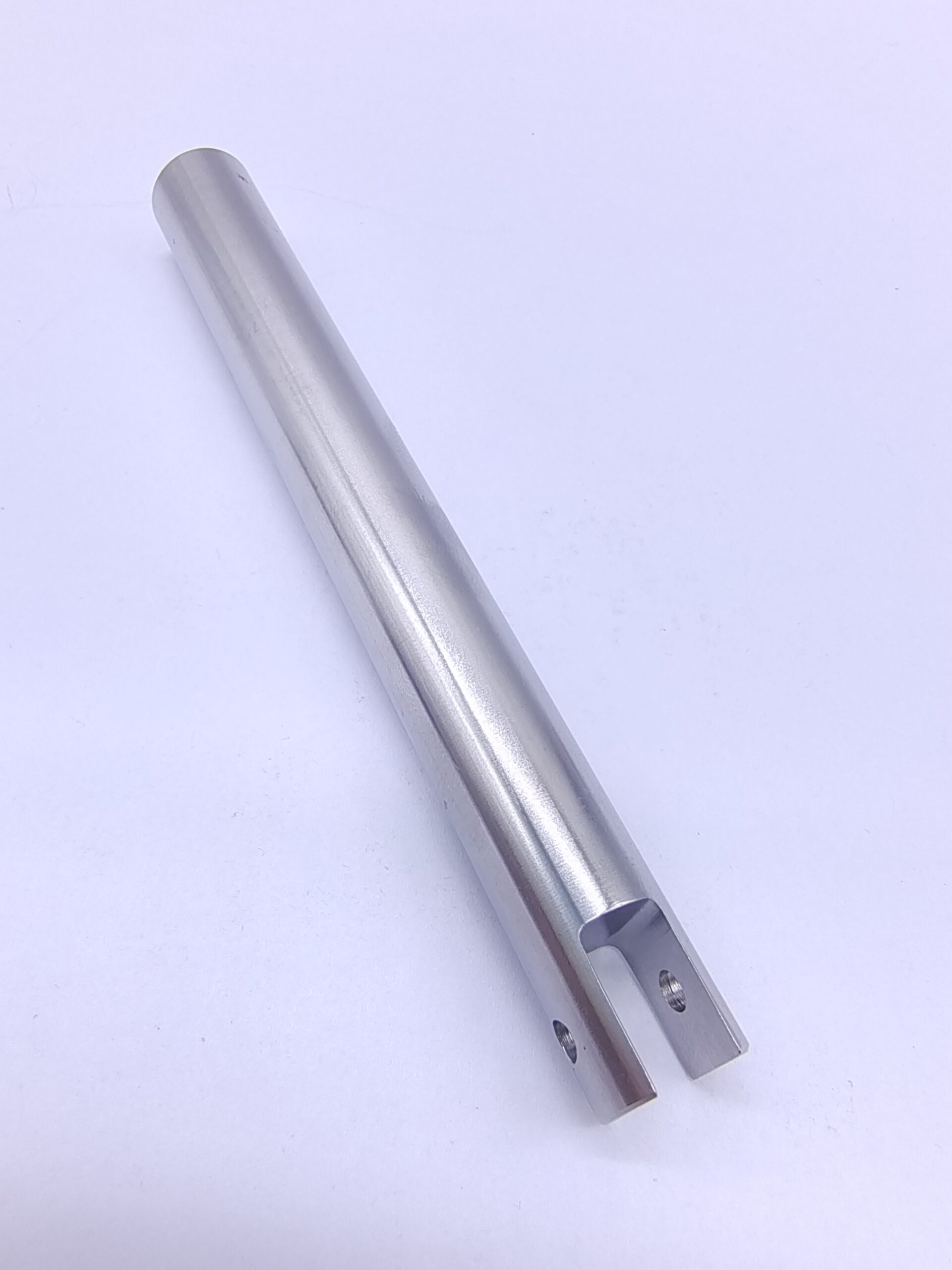
- CNC Lathes (Turning Centers):Rotate the workpiece at high speed against a stationary cutting tool. Ideal for creating cylindrical or conical parts (like shafts, bushings).
- CNC Routers:Similar to mills but often used for softer materials (wood, plastics, composites) for sign-making, woodworking, and prototyping.
- CNC Plasma/Laser Cutters:Use a high-powered plasma torch or laser beam to cut through sheet metal.
- CNC Electrical Discharge Machines (EDM):Use controlled electrical sparks to erode material, perfect for very hard metals or intricate shapes.
Advantages of CNC Machining
- Extreme Precision & Accuracy:Can hold tolerances within +/- 0.025mm or better, repeatably.
- High Repeatability:Once programmed, it can produce hundreds or thousands of identical parts.
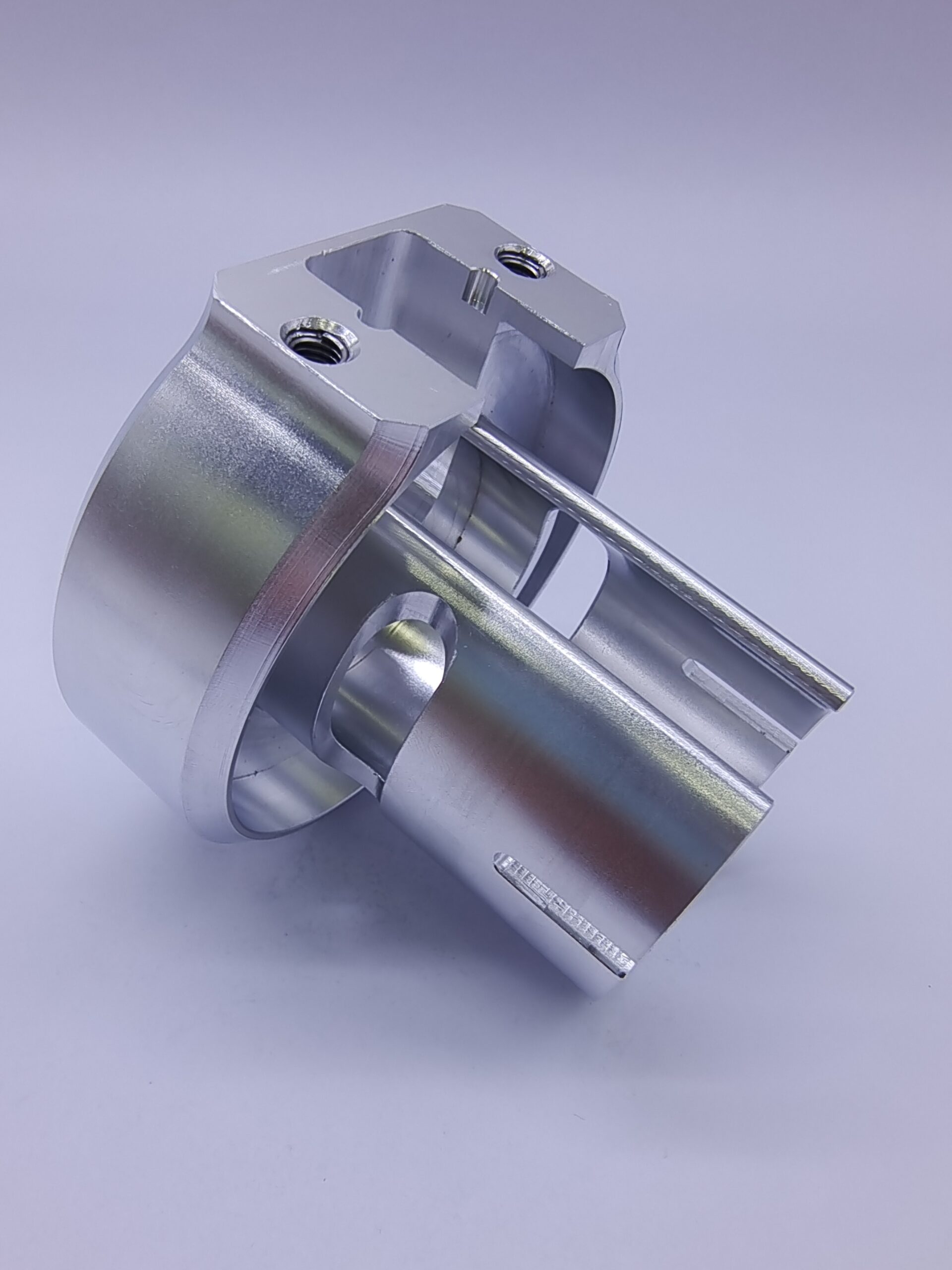
- Complexity:Capable of producing intricate geometries that would be impossible or very costly to make manually.
- Speed & Efficiency:Highly automated, capable of running 24/7 with minimal supervision.
- Material Versatility:Can machine a vast range of materials: metals (aluminum, steel, titanium), plastics, wood, foam, and composites.