
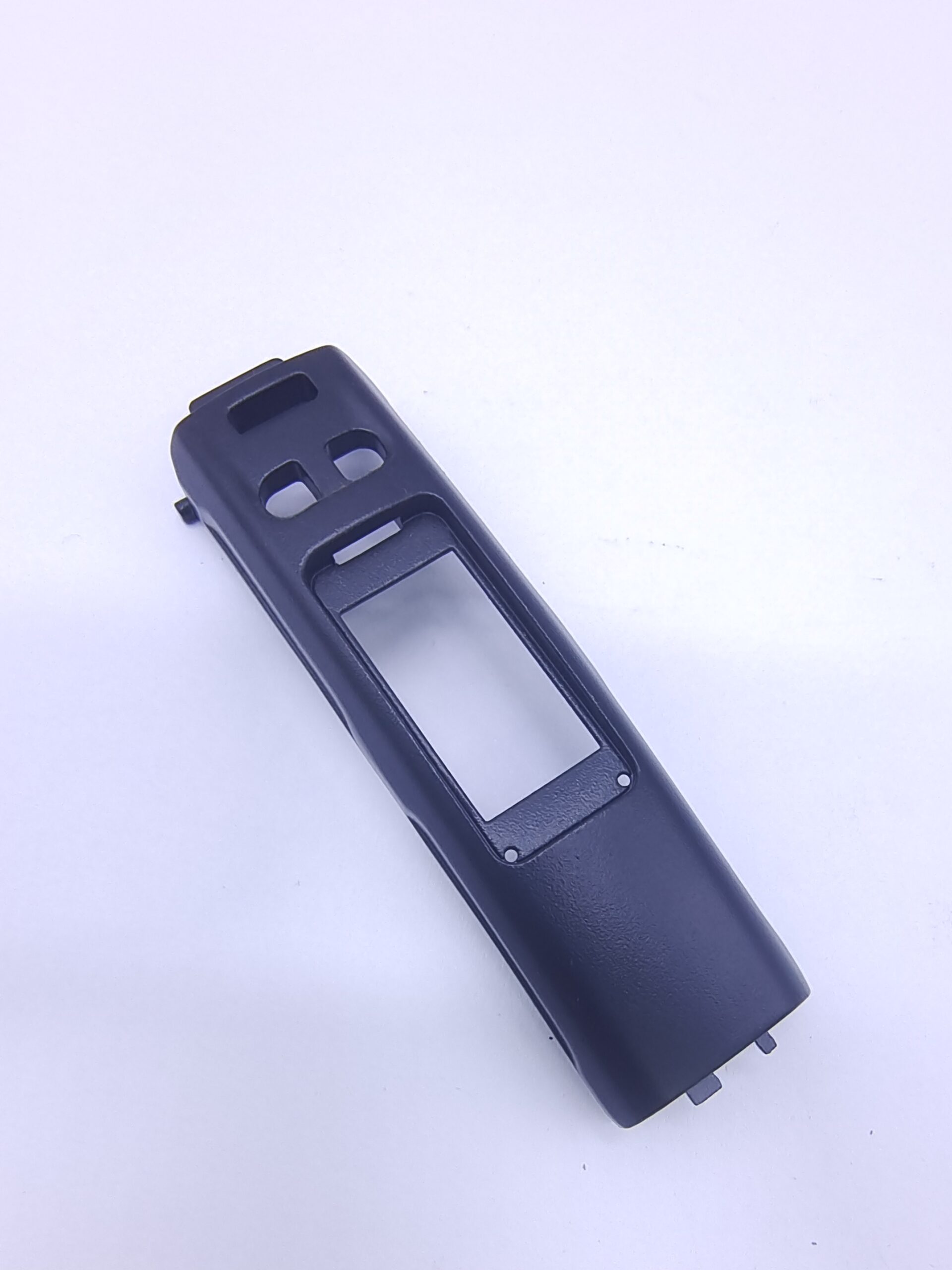
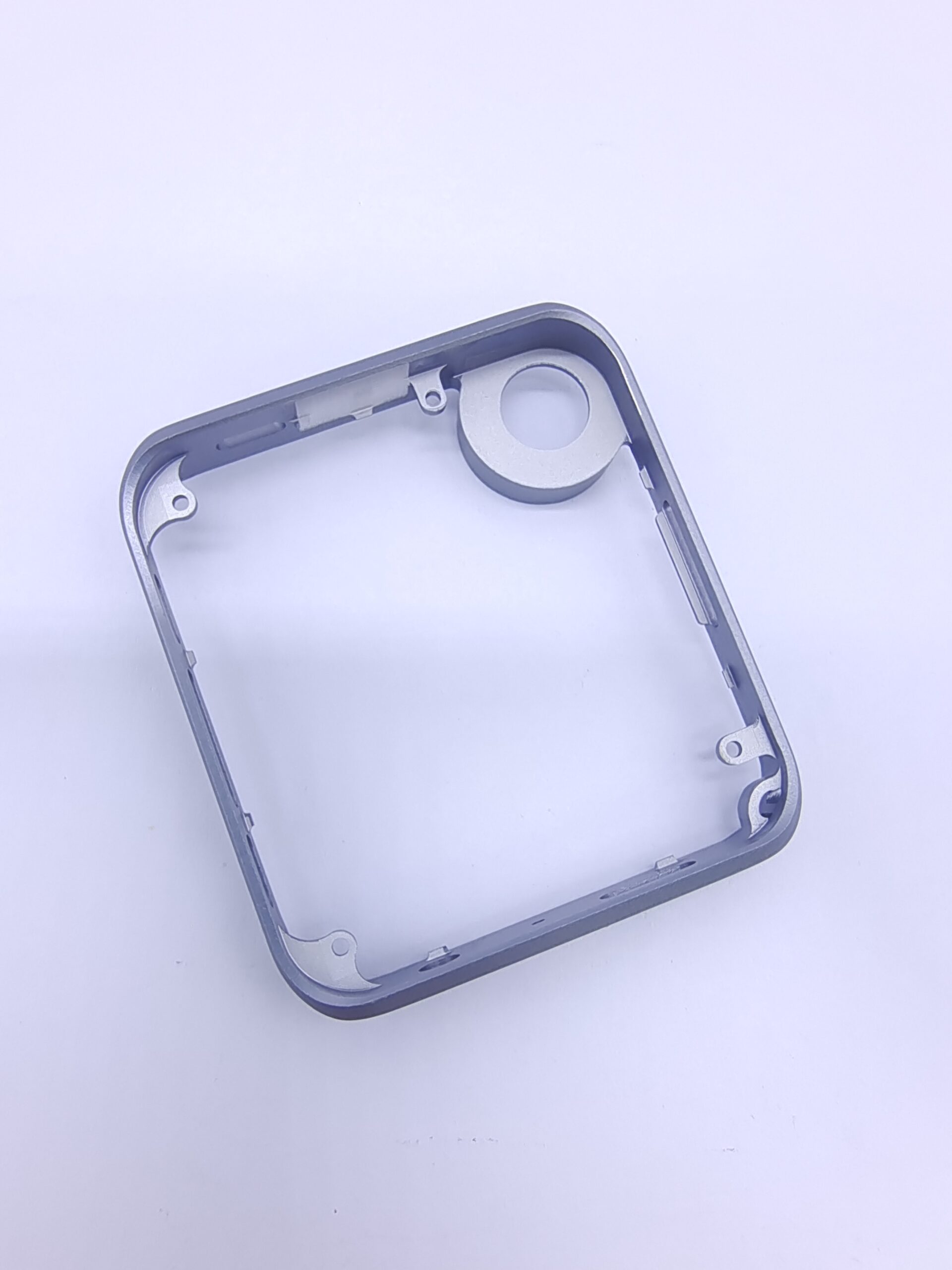
Description
What is die casting Process?
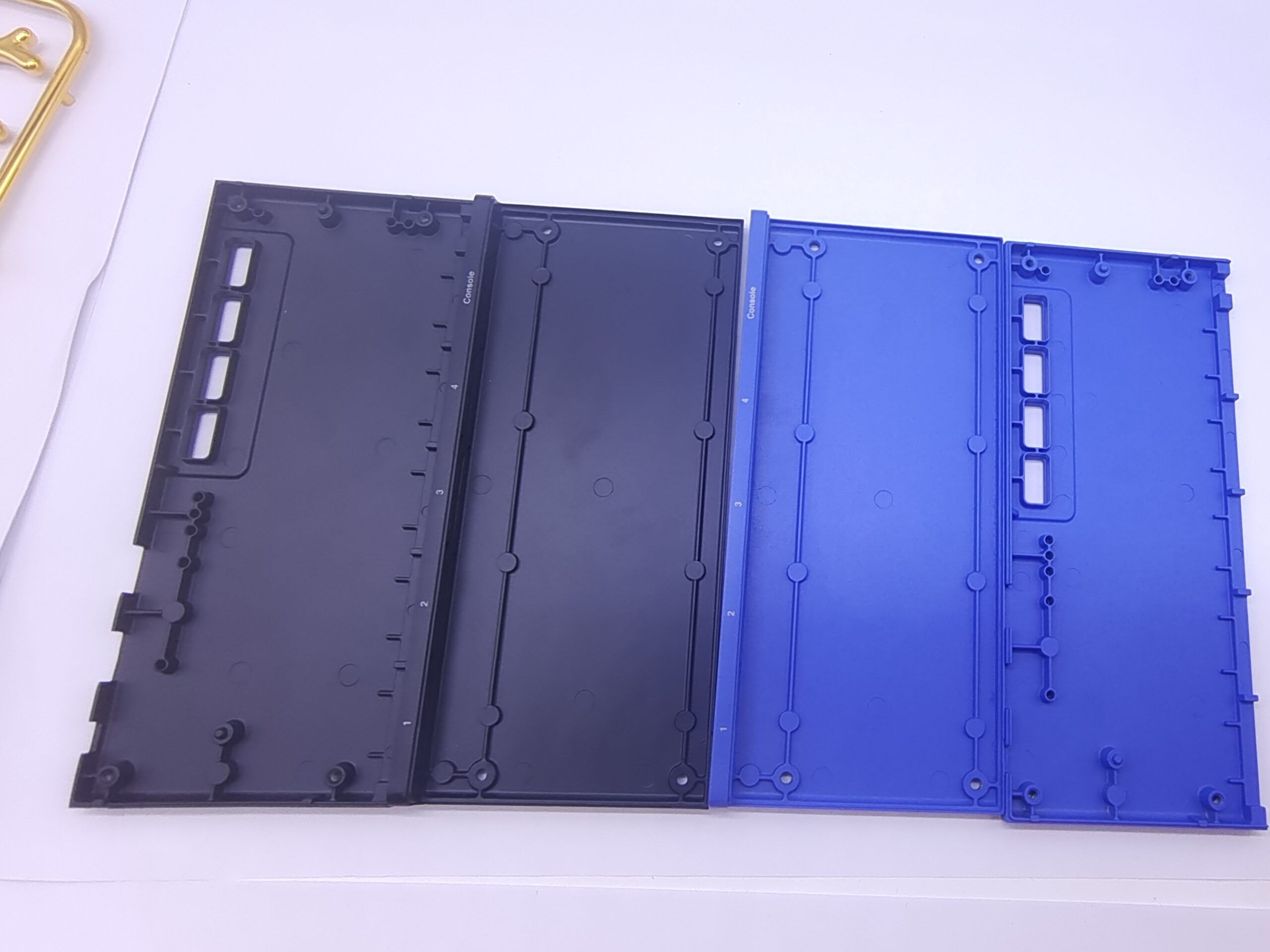
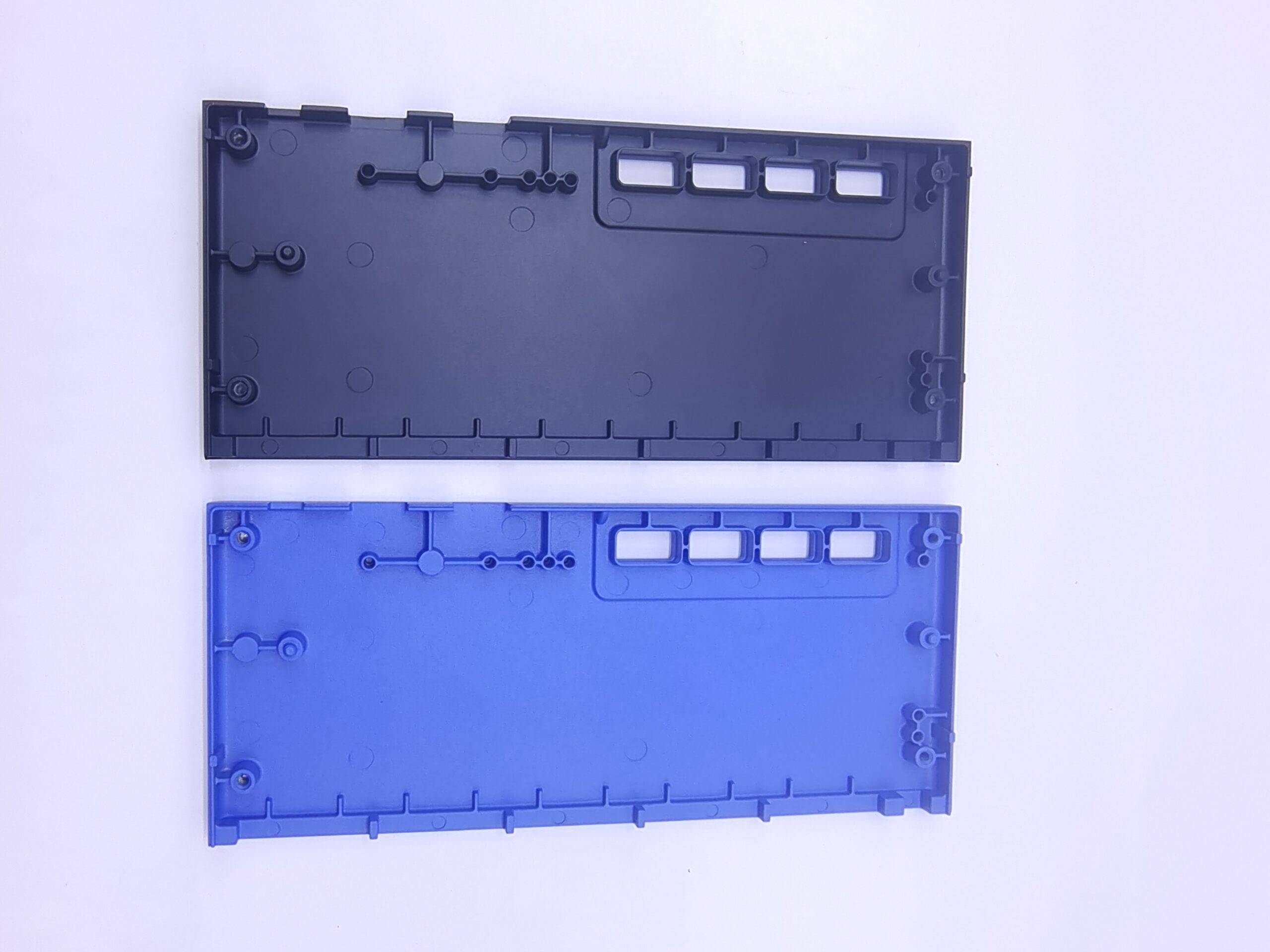
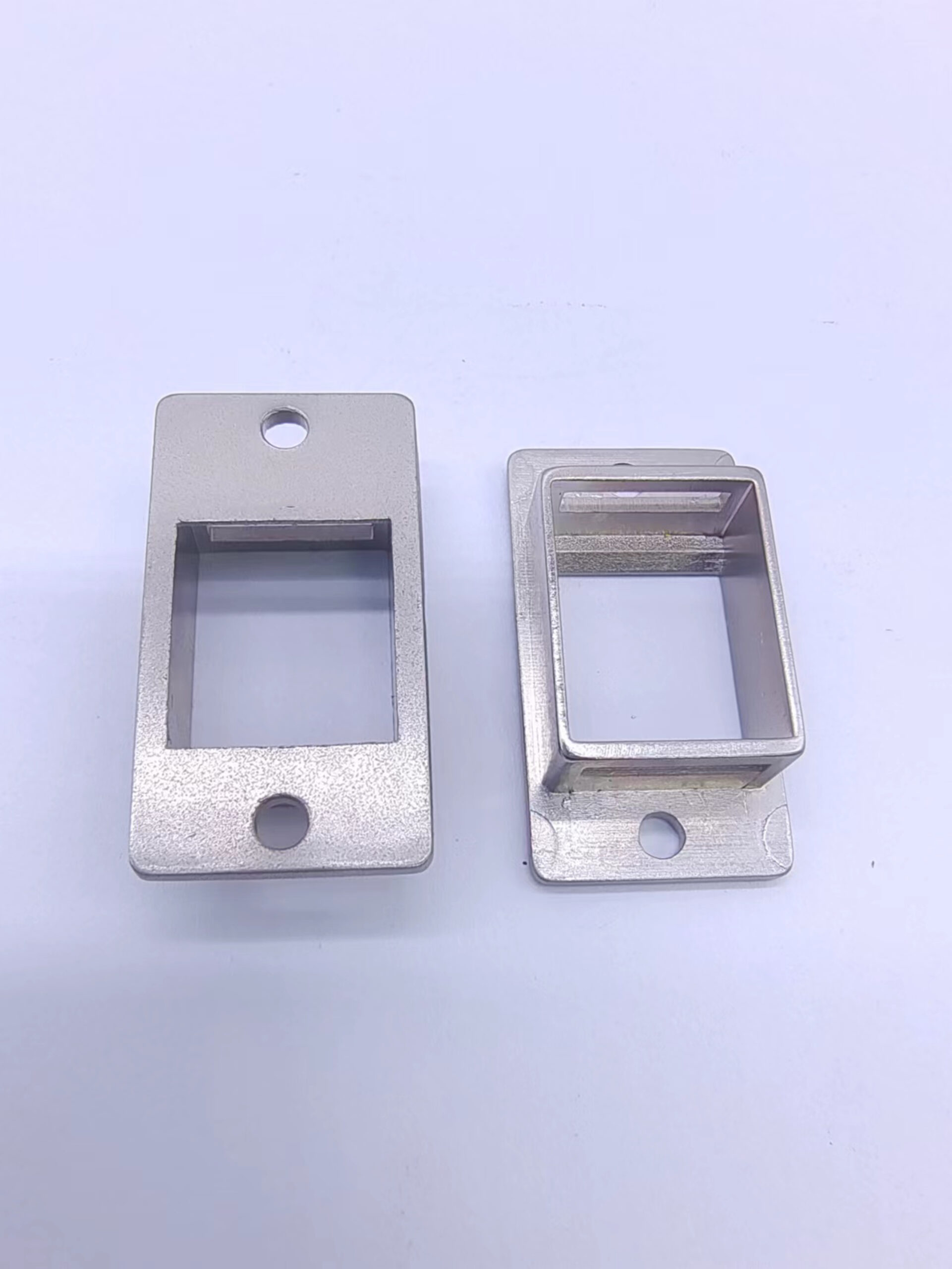
The die casting process is a high-volume, high-pressure metal manufacturing process where molten metal is forcibly injected under significant pressure into a reusable, precision steel mold cavity, called a die. The metal rapidly solidifies under pressure, and the die opens to eject a dense, dimensionally accurate metal part, known as a casting.
How It Works: The Key Steps
- Clamping:The two halves of the hardened steel die are securely closed and clamped together with immense force (hundreds to thousands of tons).
- Injection:Molten metal—typically non-ferrous alloys like aluminum, zinc, magnesium, or copper—is ladled or pumped into a “shot chamber.” A piston (plunger) then forces the molten metal at high speed and pressure (from hundreds to thousands of psi) into the sealed die cavity.
- Cooling:The metal quickly cools and solidifies inside the die cavity, taking its exact shape.
- Ejection:The die halves open, and ejector pins push the solidified casting out of the die cavity.
- Trimming:The casting is separated from its excess material (the “flash,” “biscuit,” and overflow channels) in a secondary trimming operation.
- Cycle Repeat:The die is closed, and the entire cycle repeats within seconds.
Two Primary Methods
- Cold-Chamber Die Casting:Used primarily for aluminum, magnesium, and copper alloys with high melting points. The molten metal is ladled from a separate furnace into a cold injection chamber for each shot. This prevents the molten metal from soldering to the plunger.
- Hot-Chamber Die Casting:Used for lower-melting-point alloys like zinc and tin. The injection system (gooseneck) is permanently submerged in a pool of molten metal. This allows for faster, more automated cycles.
Key Characteristics of the Process
- High Pressure:The defining feature, which forces metal into complex details and yields dense parts with fine surface finish.
- Rapid Solidification:Creates a fine-grained surface structure for good strength and finish.
- Reusable, Complex Tooling:The die is expensive and complex but can produce hundreds of thousands to millions of parts.
- Excellent for Thin Walls:Capable of producing parts with consistent, thin walls.
l Primary Advantages
- High Production Rate:Extremely fast cycle times enable mass production.
- Excellent Dimensional Accuracy & Surface Finish:Produces parts with tight tolerances and smooth surfaces, often requiring minimal machining.
- High Strength & Weight:Parts are strong and rigid for their weight.
- Complex Geometries:Can form intricate shapes, internal features, and detailed textures directly.
- Good Material Properties:Parts have a fine surface grain and can be heat treated for increased strength.