Description
What is Stamping process?
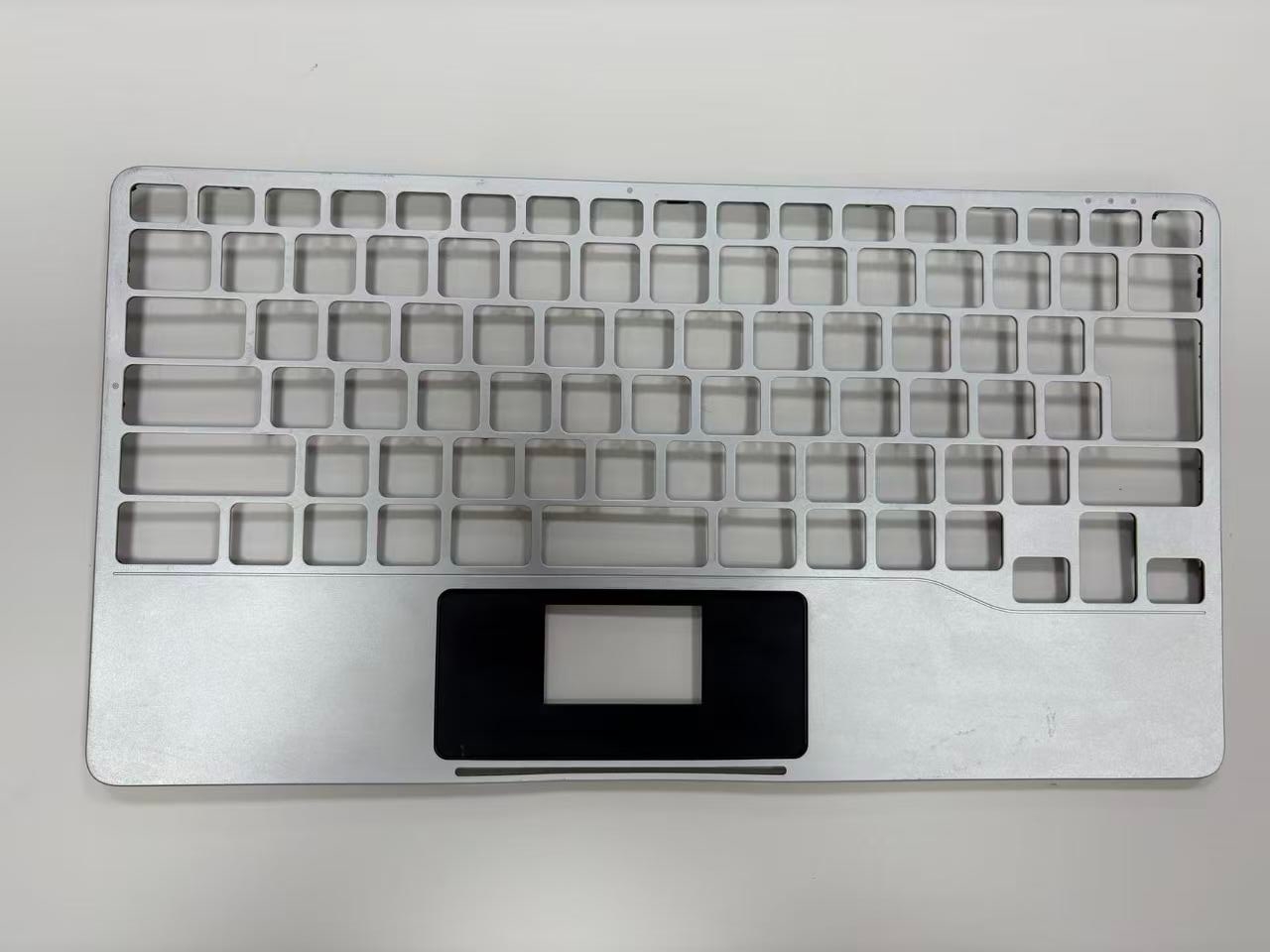
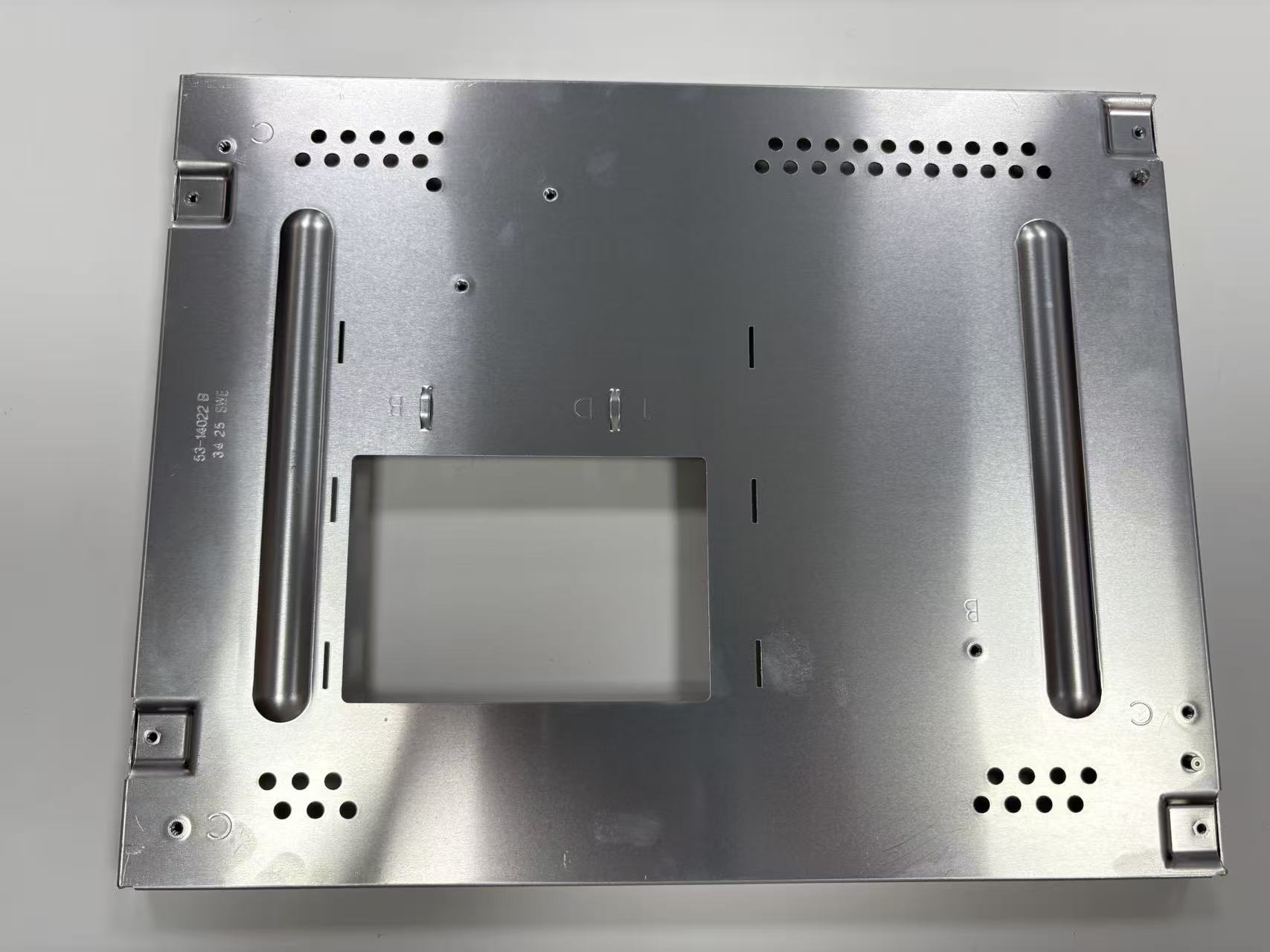
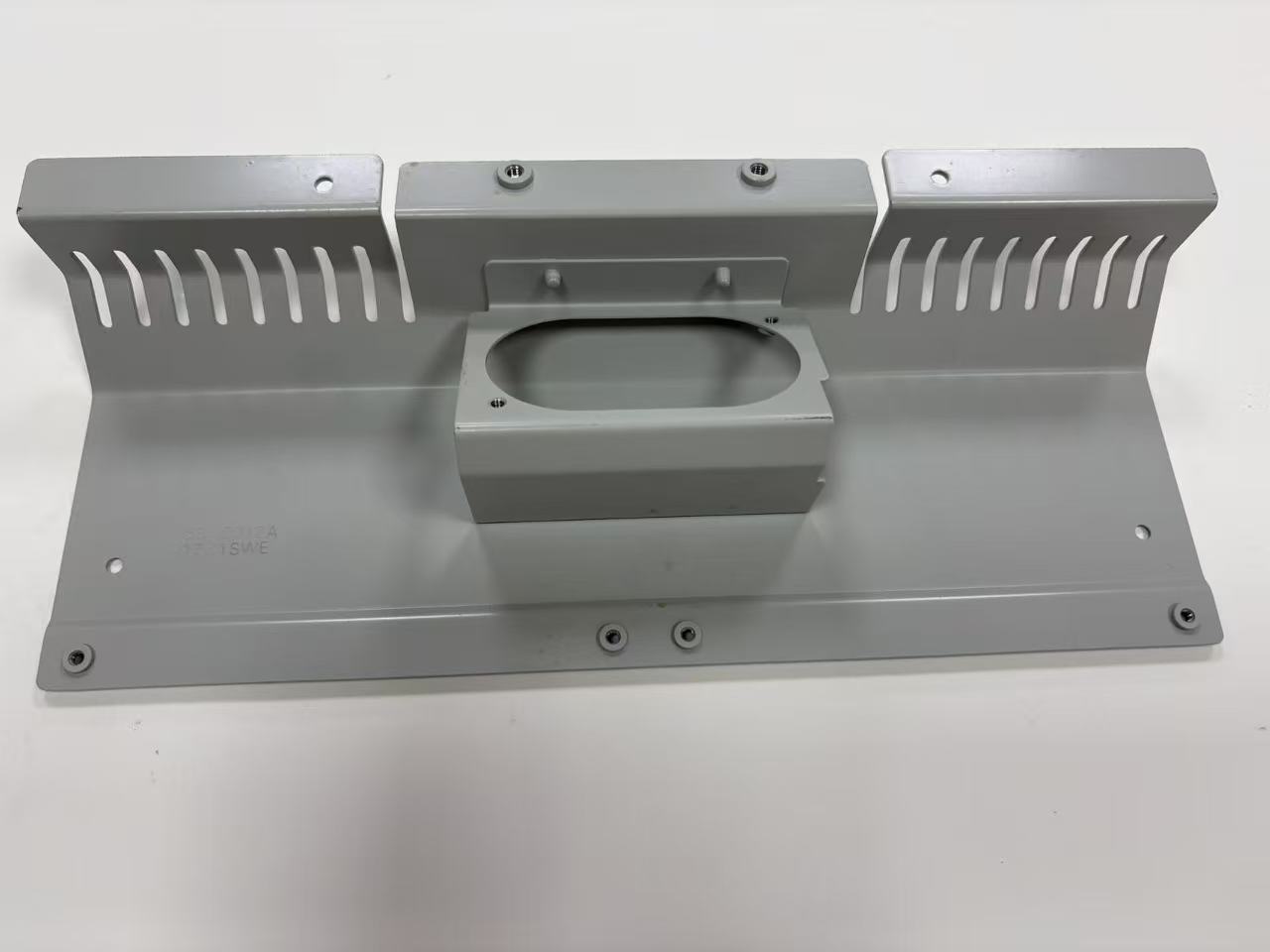
The stamping process (also known as pressing) is a high-speed, high-volume manufacturing method that uses a stamping press and a stamping die to cut, bend, and shape flat sheet metal (or coil stock) into specific, often complex, two- or three-dimensional parts.
How It Works: The Basic Cycle
- Feeding:A flat metal sheet or a continuous coil of metal is fed into the stamping press.
- Tooling:The press contains a custom-built, precision stamping die (tool), which consists of two halves: a punch (upper, male) and a die (lower, female).
- Pressing:The press ram forces the punch against the metal sheet and into the die with immense pressure (tonnage).
- Forming:The metal is deformed between the punch and die. This action performs the required operation(s).
- Ejection:The finished part (or a partially formed part in progressive stamping) is ejected, and the cycle repeats.
Primary Operations
Stamping encompasses several distinct operations, often combined in a single die:
- Cutting:Shearing the metal without forming.
- Blanking:Cutting out the entire outer contour of a part.
- Piercing:Cutting holes or shapes inside a part.
- Trimming:Cutting away excess material from a formed part.
- Bending:Deforming the metal along a straight axis to create angles, channels, or U-shapes.
- Forming/Drawing:Stretching and shaping the metal over the die to create complex 3D forms (like automotive body panels or metal cups) without cutting it.
l Key Process Types
- Progressive Die Stamping:The most common high-volume method. A coil of metal feeds through multiple die stations in a single press, with each station performing a different cut or bend. A finished part is produced with each press stroke.
- Transfer Die Stamping:A pre-cut blank is mechanically transferred between several individual presses or stations within one large press, each performing a specific operation.
- Compound Die Stamping:Multiple operations (e.g., blanking and piercing) are performed at one station in a single stroke for high precision.
Primary Advantages:
- High Speed & Volume:Ideal for mass production (thousands of parts per hour).
- Low Cost Per Unit:Extremely economical after the initial die investment.
- Excellent Repeatability & Consistency:Every part is virtually identical.
- High Strength Parts:The metal is often work-hardened during forming.
- Material Efficiency:Nesting parts minimizes scrap.
Precision Metal Stamping Parts Processing Manufacturer
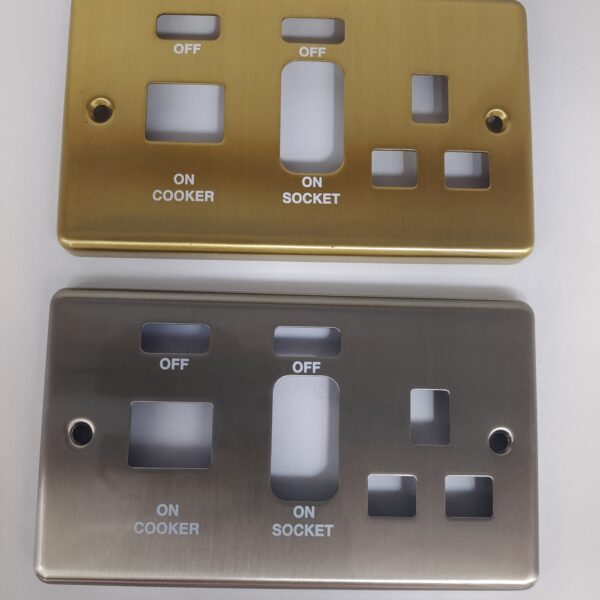
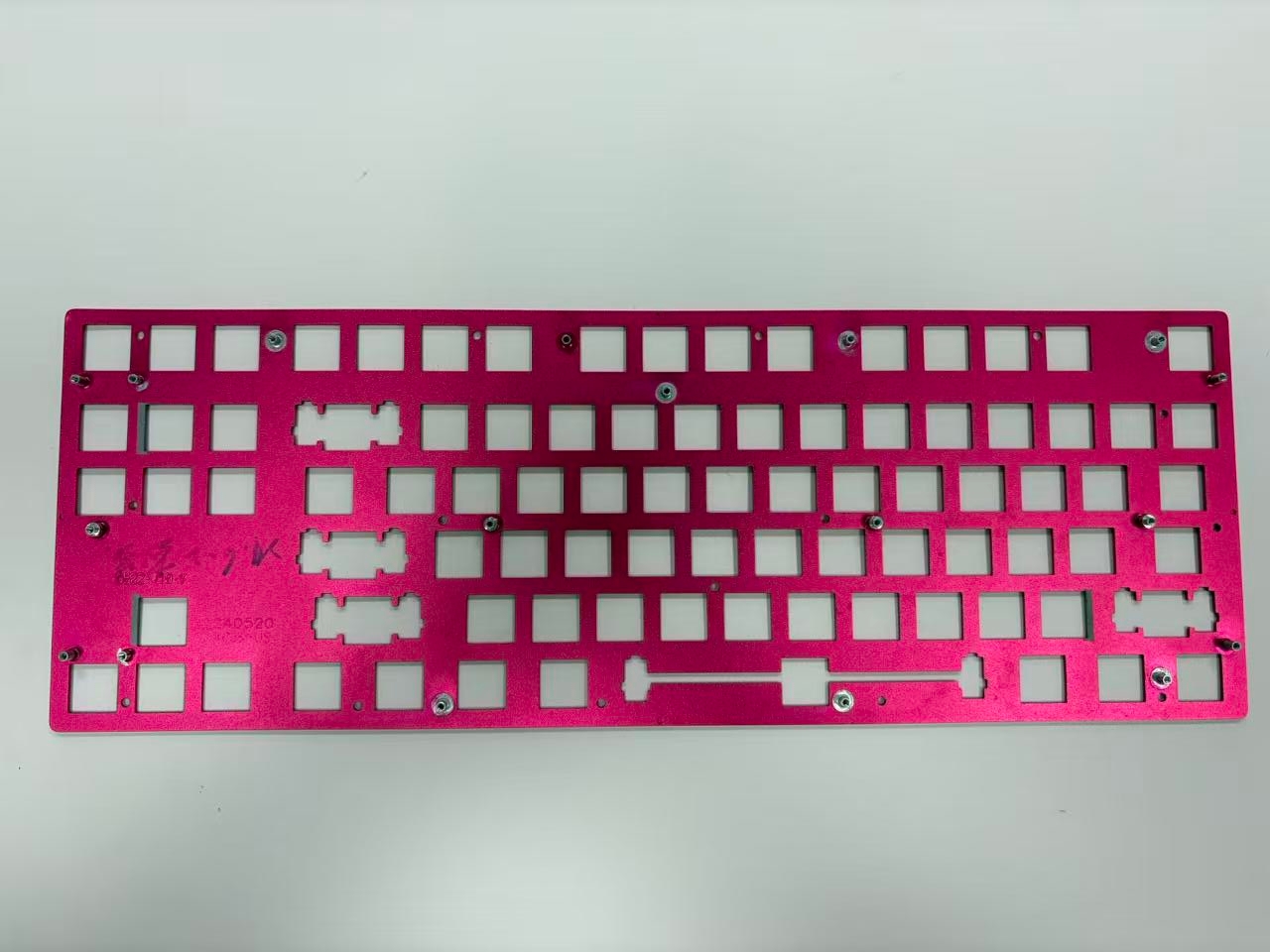
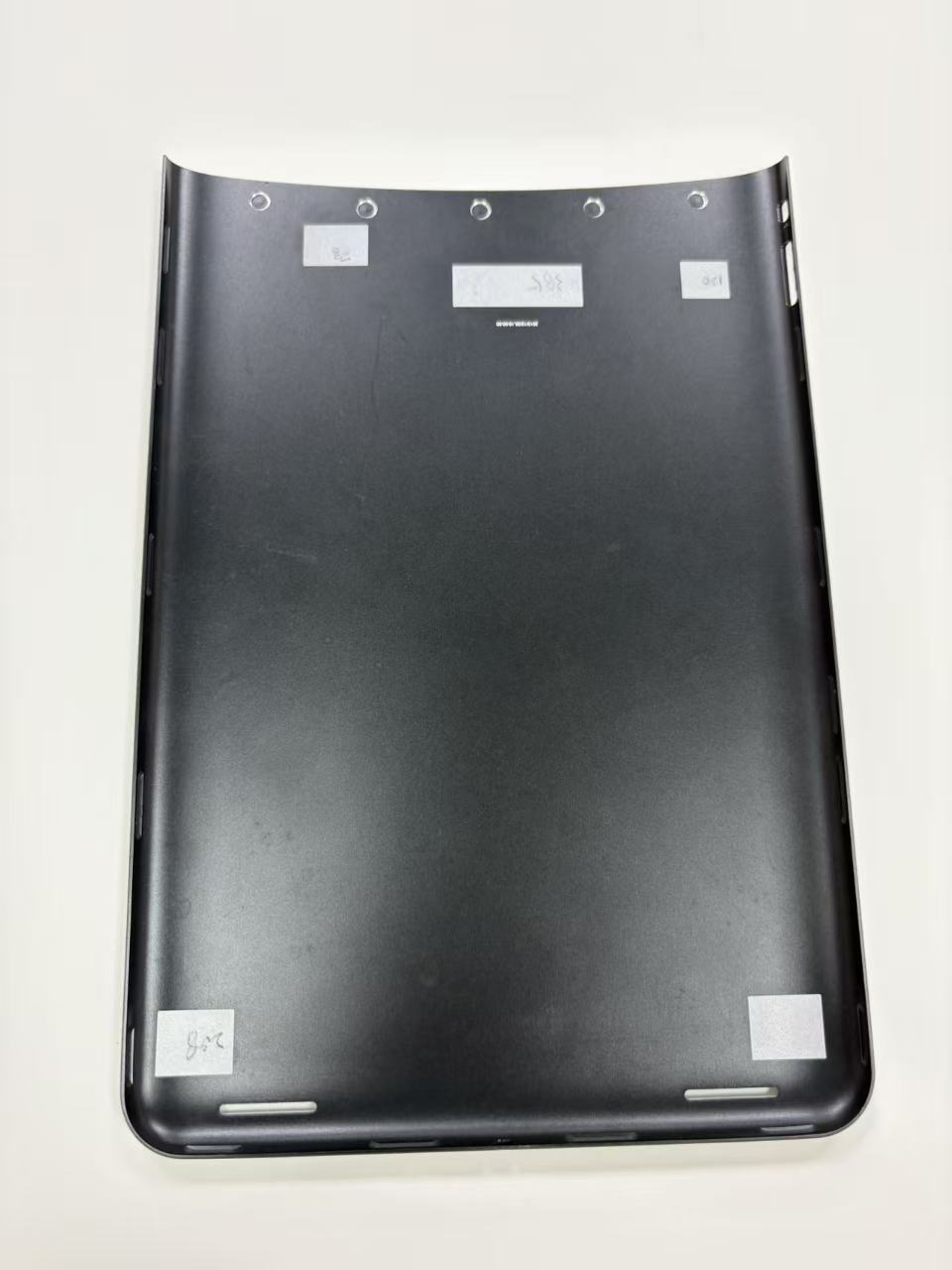
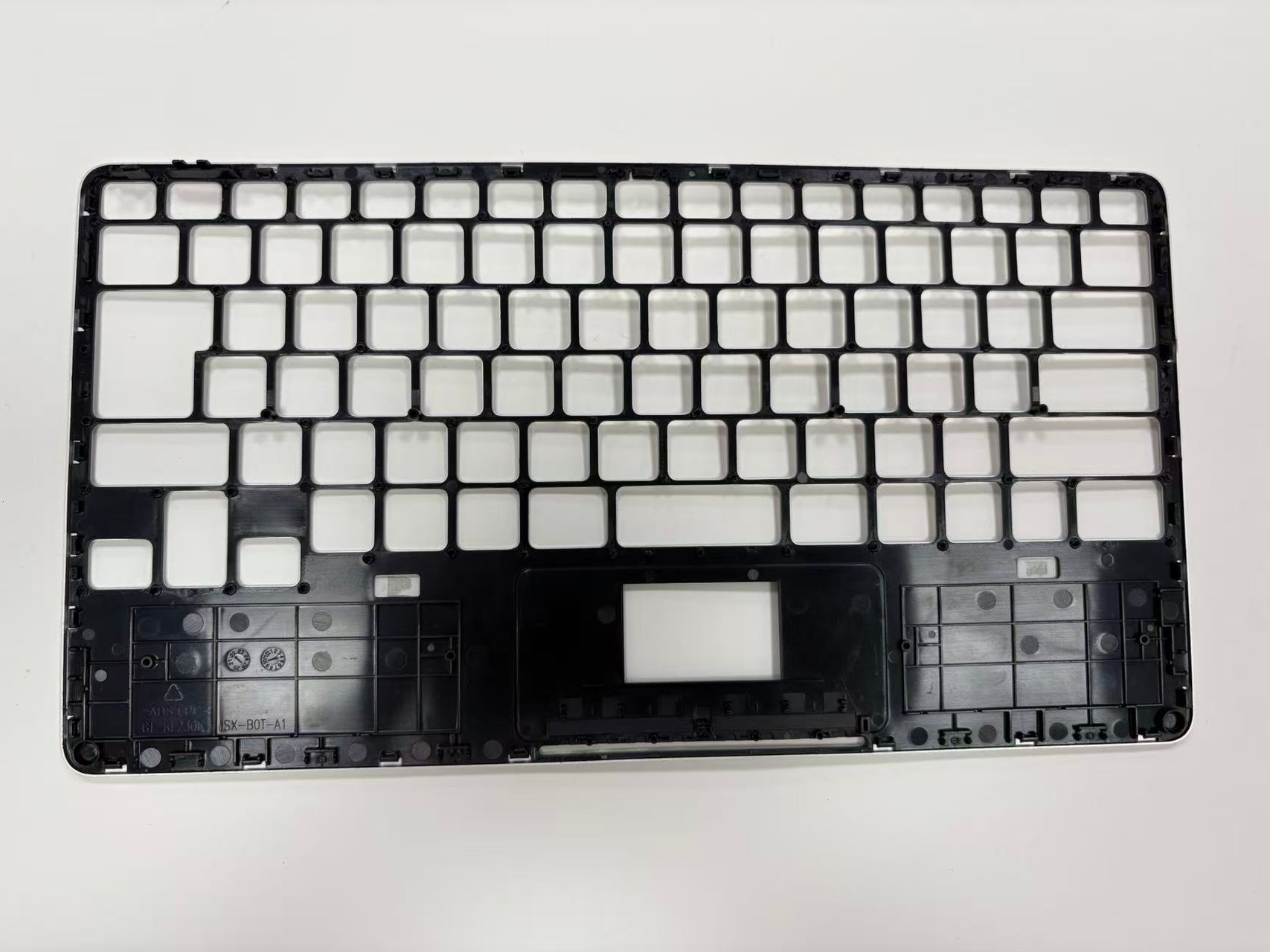
We are a professional manufacturer specializing in high-precision metal stamping components, offering a comprehensive range of integrated metal fabrication services including:
- Laser Metal Cutting: High-precision, burr-free cutting for complex metal profiles
- Sheet Metal Punching & Stamping: Precision forming of metal sheets into custom-designed components
- Fastener Staking & Insertion: Secure installation of fasteners for enhanced component assembly reliability
- Sheet Metal Folding, Bending & Forming: Accurate shaping of metal parts to meet strict dimensional tolerances
- CNC Lathing & Machining: High-precision turning and milling for intricate metal components with tight tolerances