Description
What is stamping die?
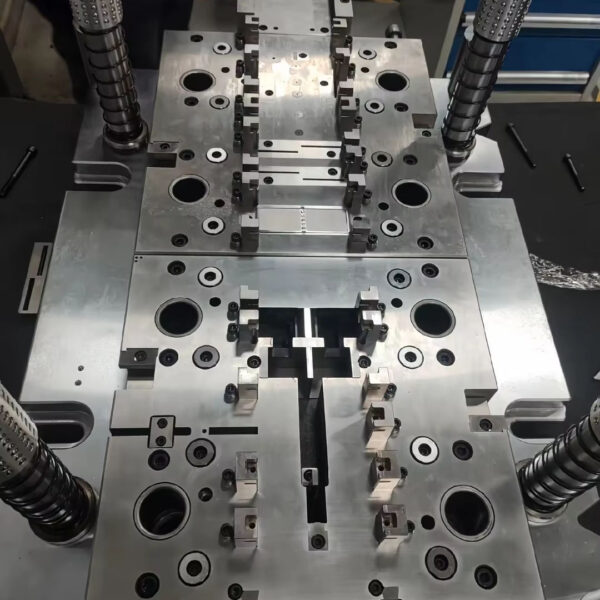
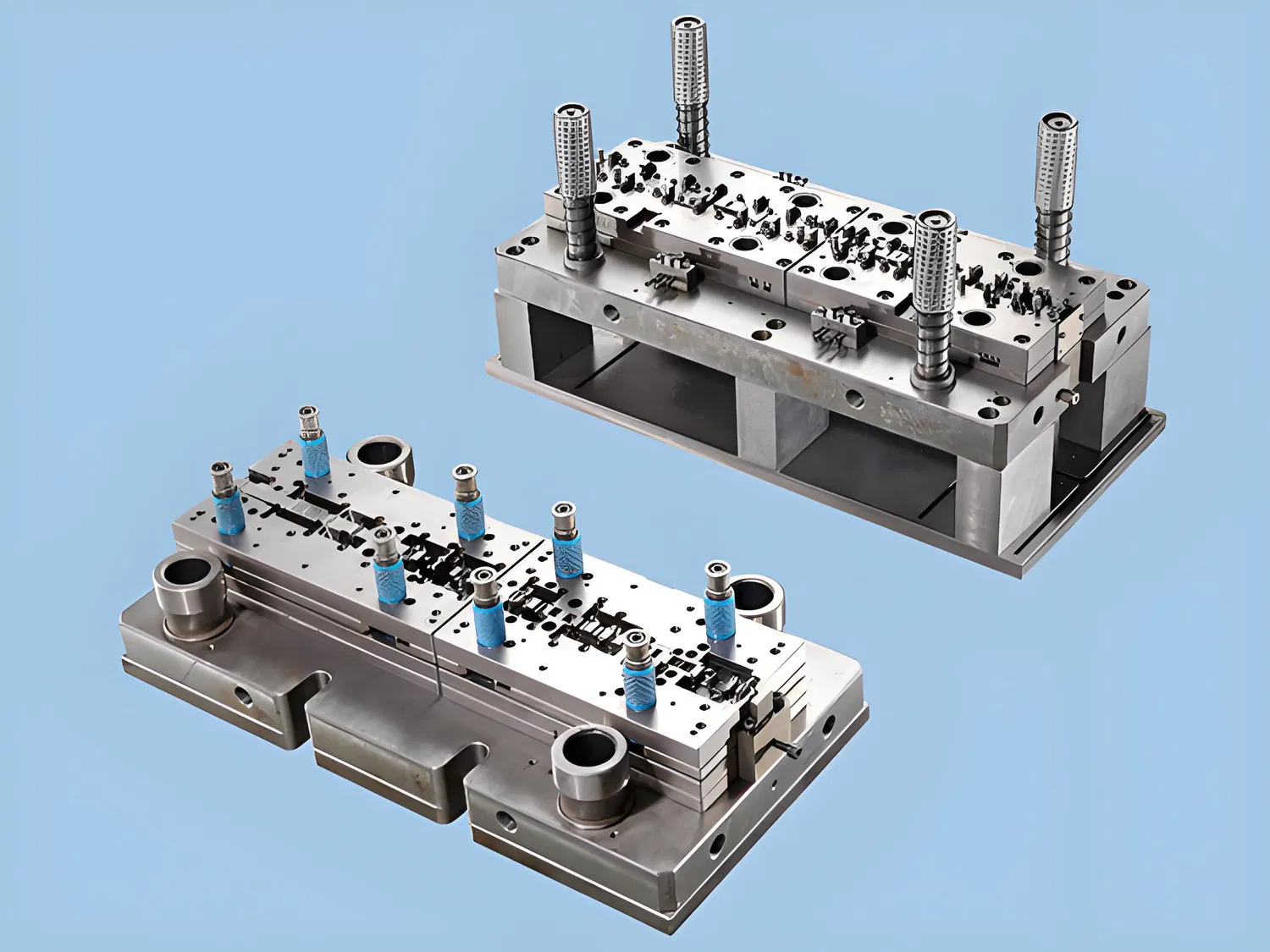
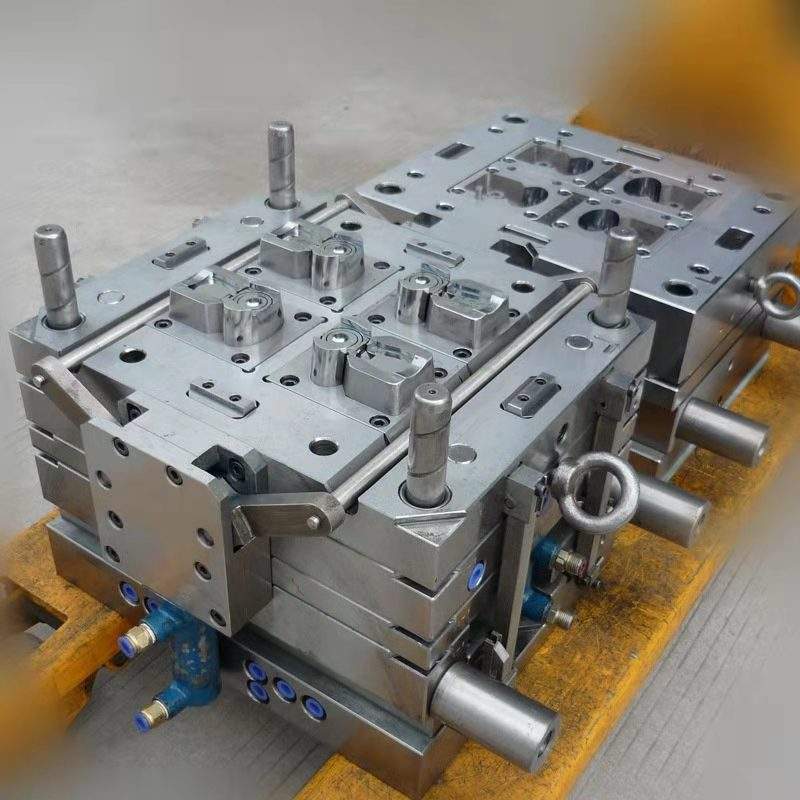
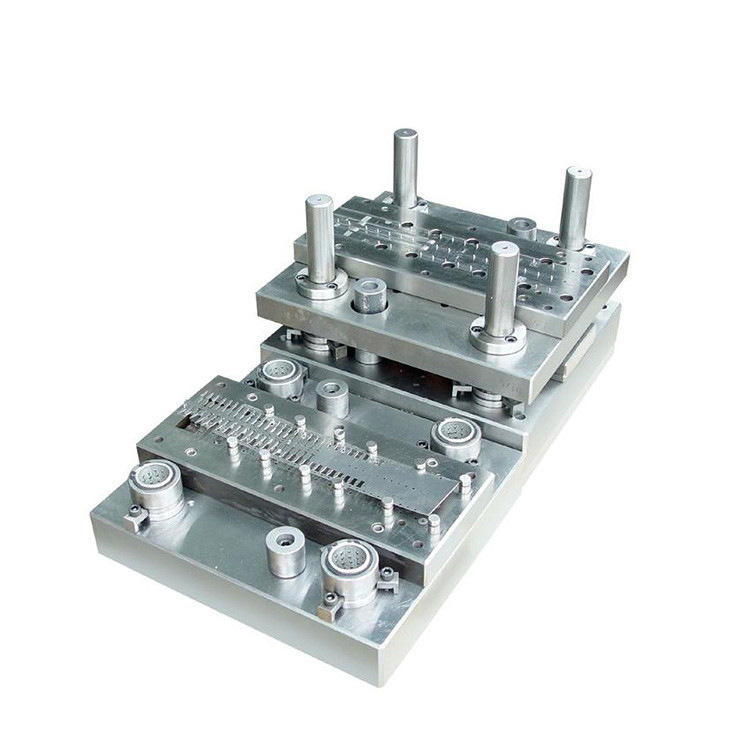
- A stamping die is a precision tool used in manufacturing to cut, shape, and form sheet metal into desired components through high-pressure stamping.
- Typically made from hardened tool steel, it consists of a male punch and a female die that work in tandem within a press.
- This fundamental tooling enables the high-volume, rapid, and repeatable production of parts, from simple brackets to complex automotive body panels, forming the backbone of industries like automotive, aerospace, and appliance manufacturing.
- Its design and craftsmanship directly determine the quality, consistency, and efficiency of the mass-production process.
Avantages of Metal Stamping Mould
- High Efficiency: Metal stamping moulds can produce large quantities of parts quickly and efficiently, making them ideal for mass production.
- High Precision: Metal stamping molds are designed to produce parts with high precision and accuracy, ensuring that each part is consistent and meets the required specifications.
- Versatility: Metal stamping tools can be used to produce a wide range of parts, from simple to complex shapes,and can be used with a variety of materials, including steel, aluminum, and copper.
- Multi functional integration: It can complete various processes such as punching, bending, stretching, flanging, riveting, etc. in one go.
Classification of Stamping Dies
Stamping dies exist in a wide variety of configurations, and their classification is determined by workpiece characteristics, mold structure, and mold material selection.
Classification by process type is as follows:
- Blanking & Piercing DiesDies designed to separate material along a closed or open contour line. This category includes blanking dies, piercing dies, trimming dies, slitting dies, cutoff dies, and shaving dies, among others.
- Bending DiesDies that deform sheet blanks or other workpiece blanks along a specific straight line (the bending axis) to produce components with predefined angles and geometric shapes.
- Drawing DiesDies used to transform sheet blanks into open hollow components. They can also be applied to further modify the shape and dimensions of pre-formed hollow workpieces.
- Forming DiesDies that directly shape a workpiece blank or semi-finished part by conforming it to the profile of the punch and die. This process involves only localized plastic deformation of the material. Typical examples include bulging dies, necking dies, expanding dies, embossing dies, and flanging dies.
- Riveting DiesDies that utilize external force to join or overlap multiple components in a specified sequence and configuration, forming an integrated assembly based on the requirements of the combined process
Process Combination of Stamping Dies
Stamping dies are categorized by their process integration levels as follows:
- Single-Process DieA die that completes only one stamping operation in a single press stroke. Each stroke corresponds to a single manufacturing step, such as blanking, piercing, or bending.
- Compound DieA die featuring a single working station. It can simultaneously execute two or more distinct stamping processes at this single station within one press stroke. This design enables integrated operations like concurrent blanking and piercing, significantly reducing processing steps.
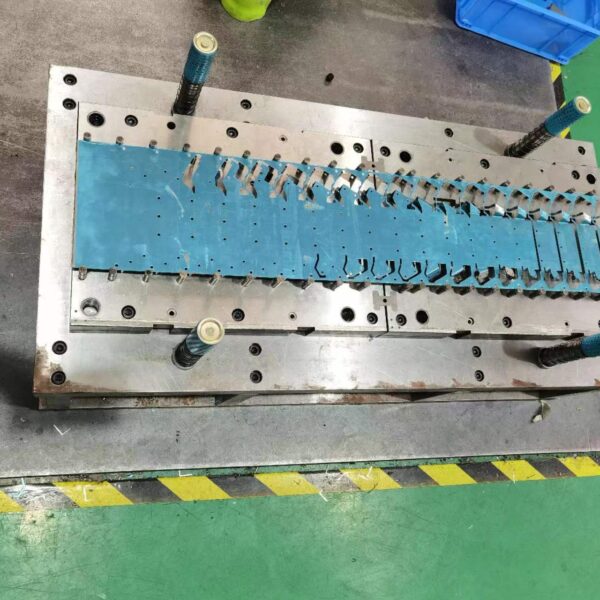
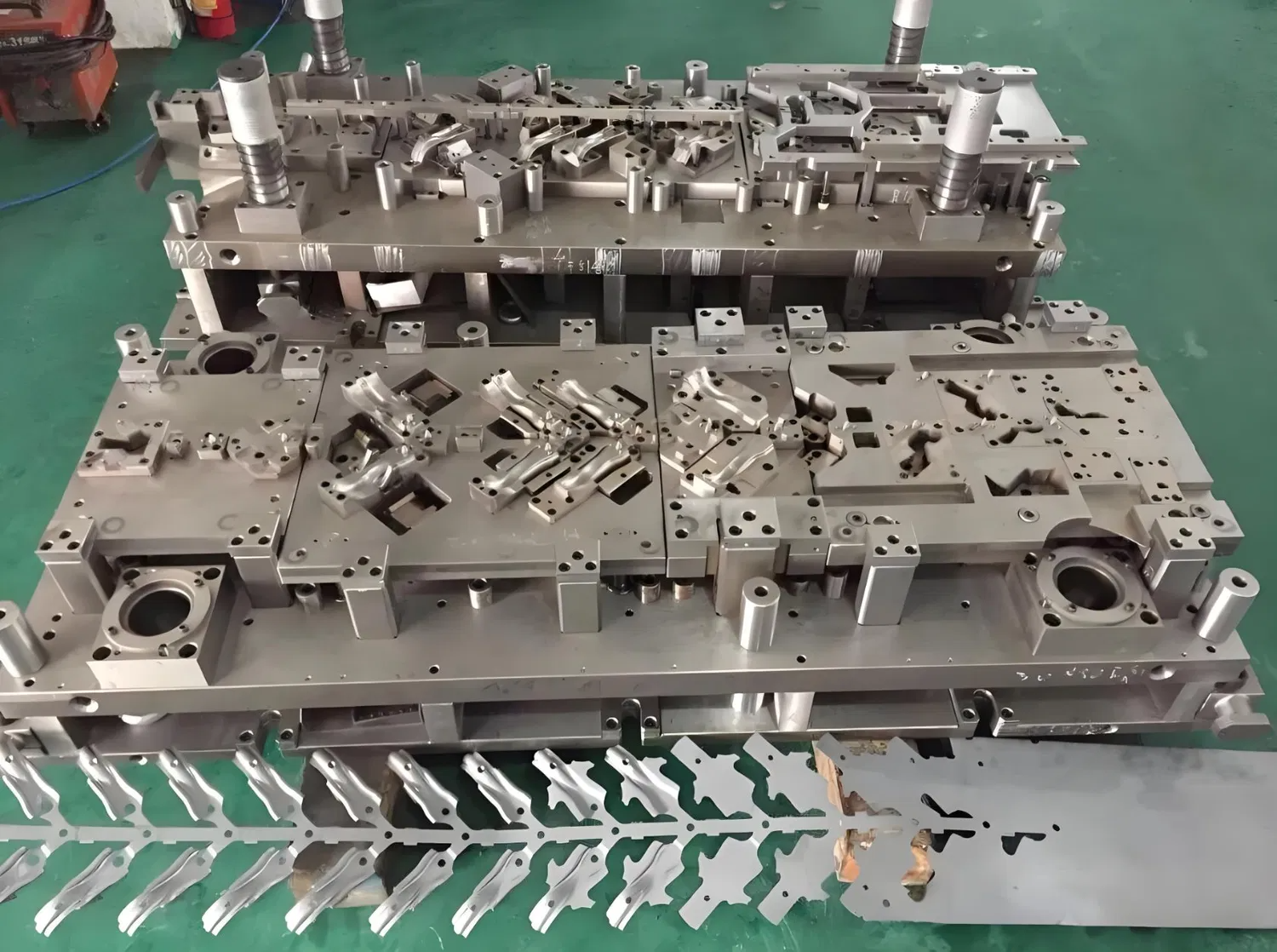
- Progressive Die (Also Known as Continuous Die)A die equipped with two or more sequential working stations arranged along the blank feeding direction. In one press stroke, it completes two or more stamping processes at different stations respectively. As the material strip advances step by step, each station performs a dedicated operation until the finished part is formed.
- Transfer DieA die that integrates the characteristics of single-process dies and progressive dies. It adopts a robotic transfer system to realize rapid and precise transfer of workpieces between different stations within the die. This configuration not only greatly boosts production efficiency and cuts down manufacturing costs but also saves material consumption and ensures stable, reliable product quality throughout the production cycle.