Description
What is insert molding process?
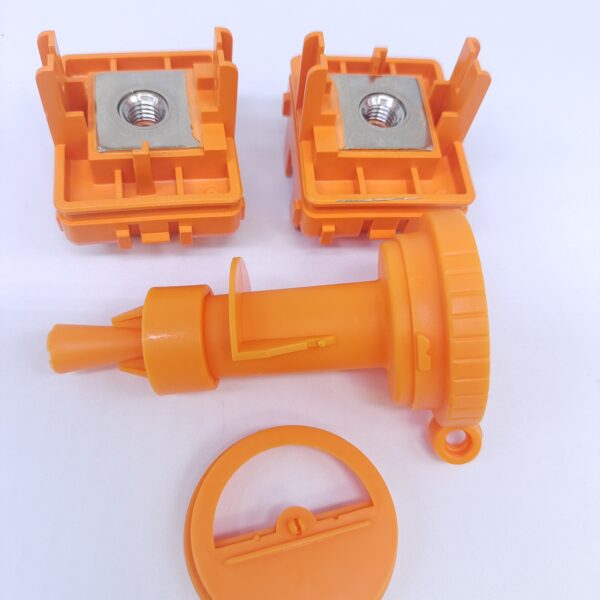
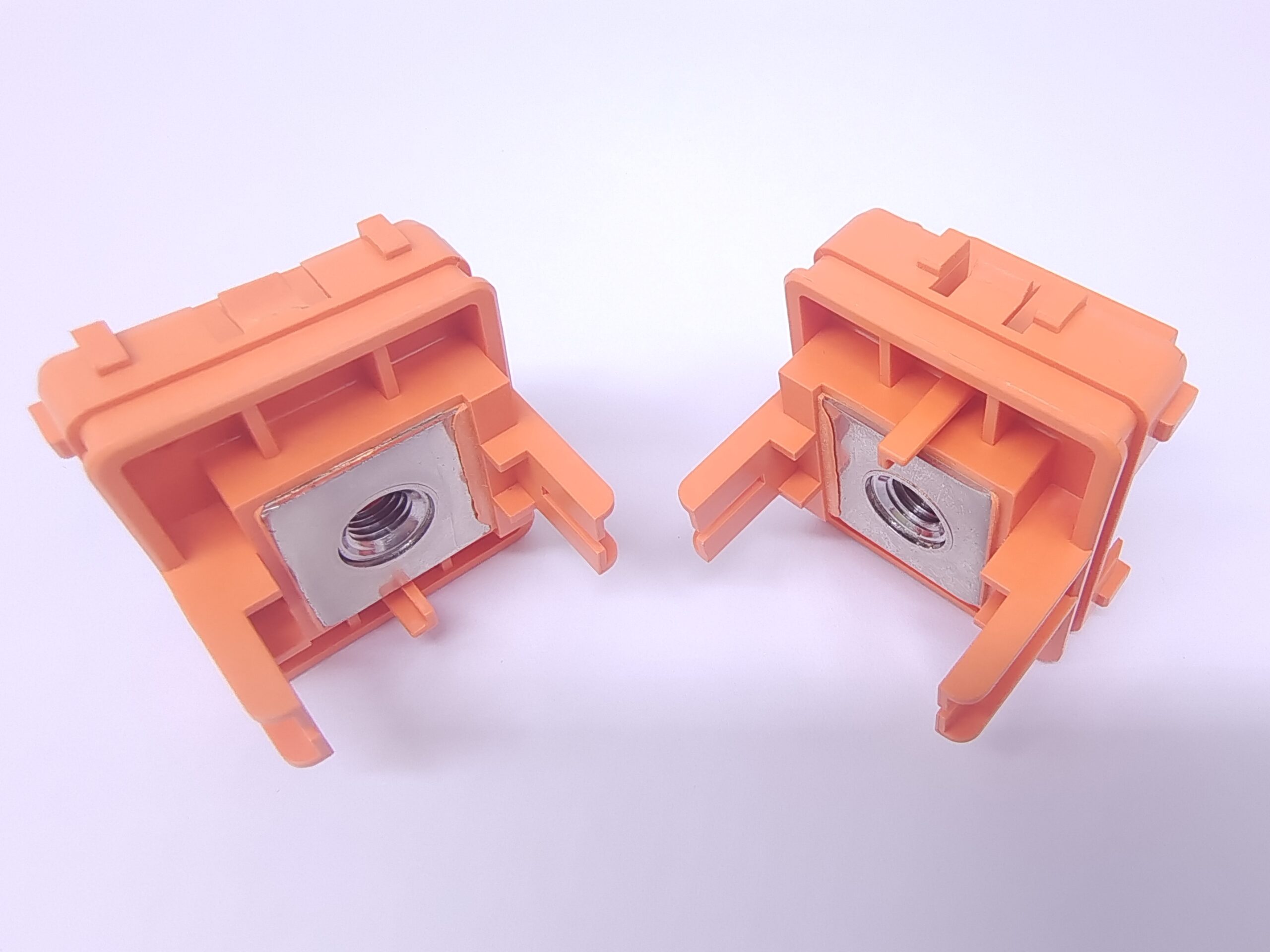
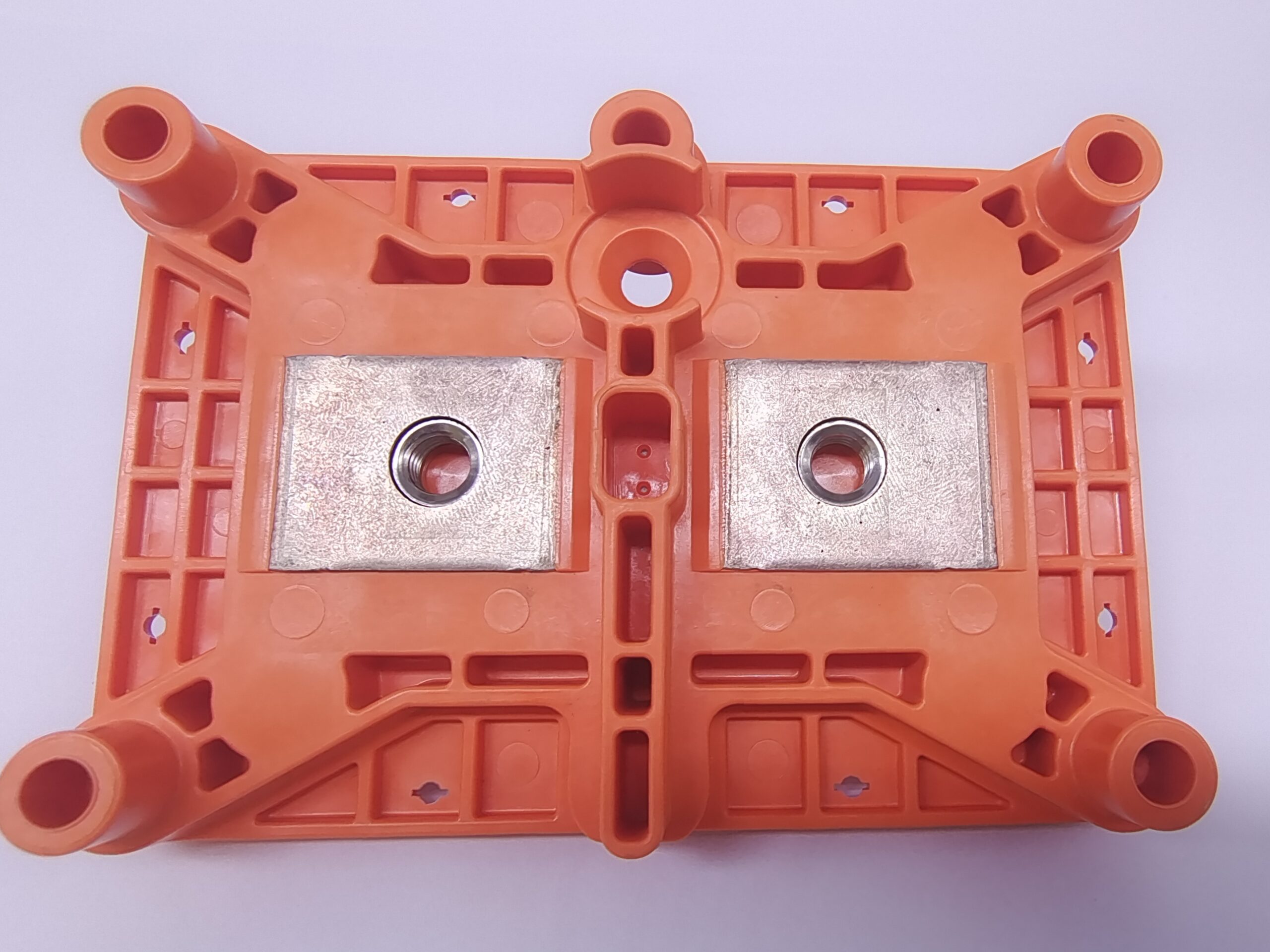
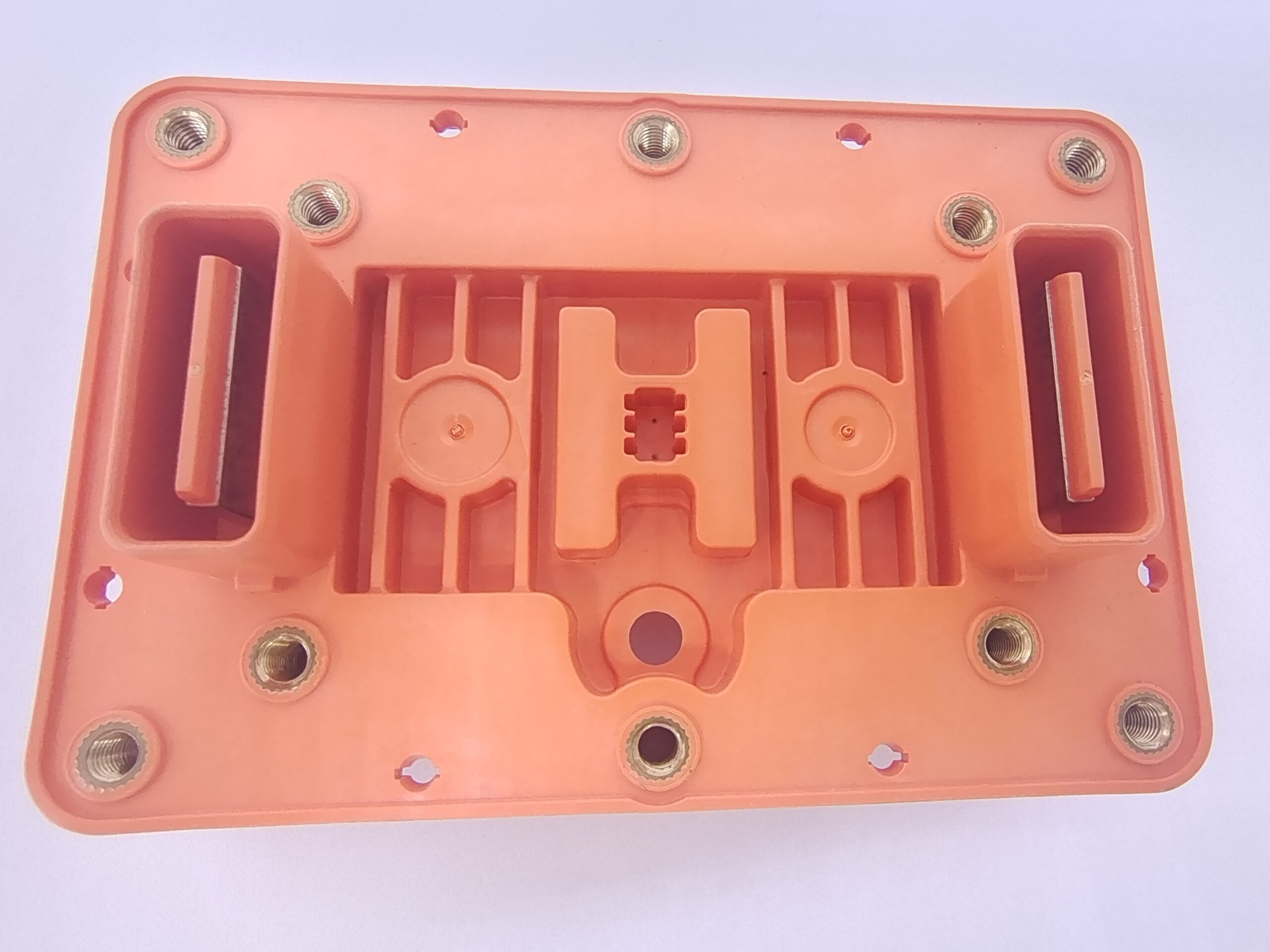
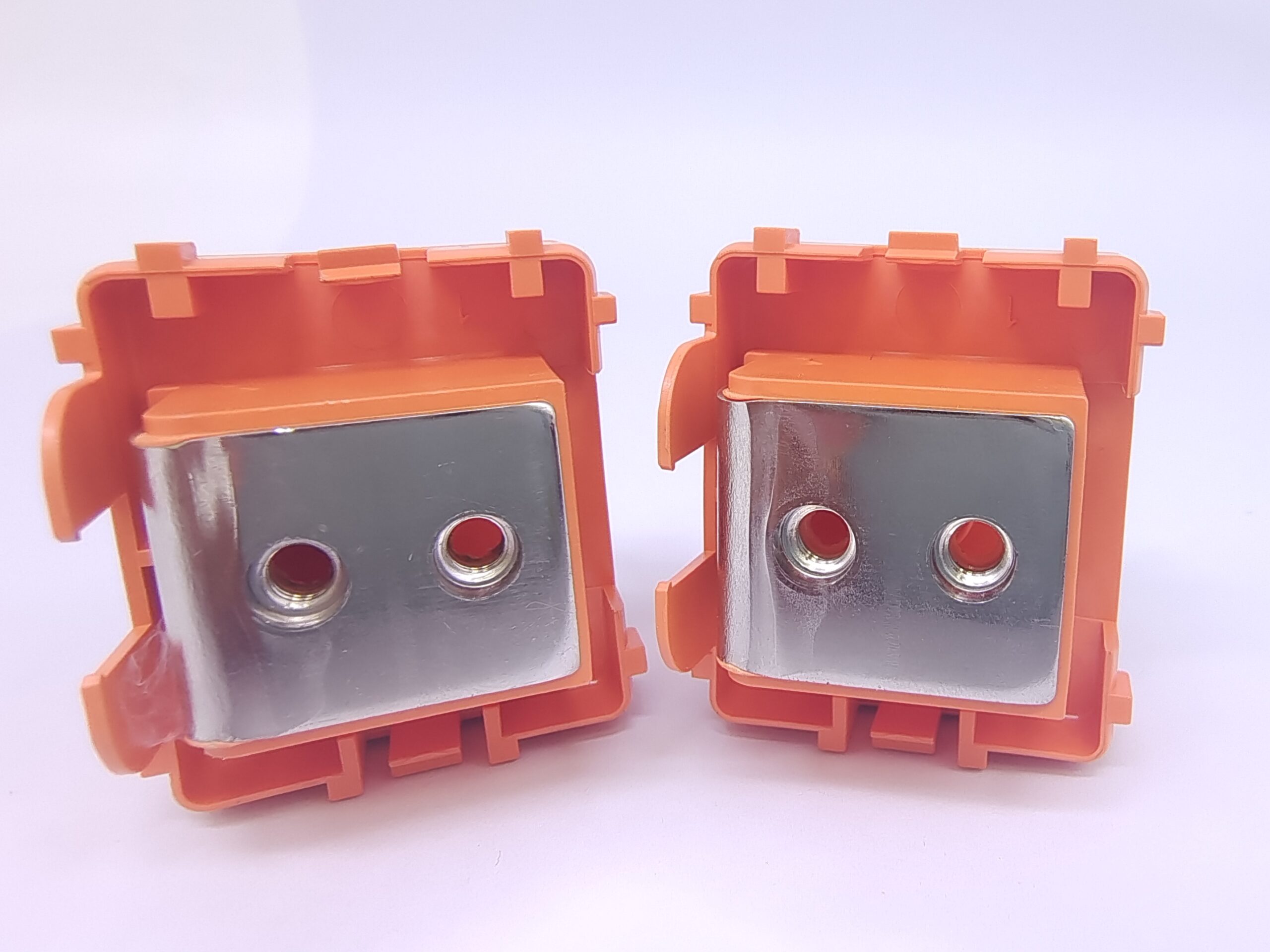
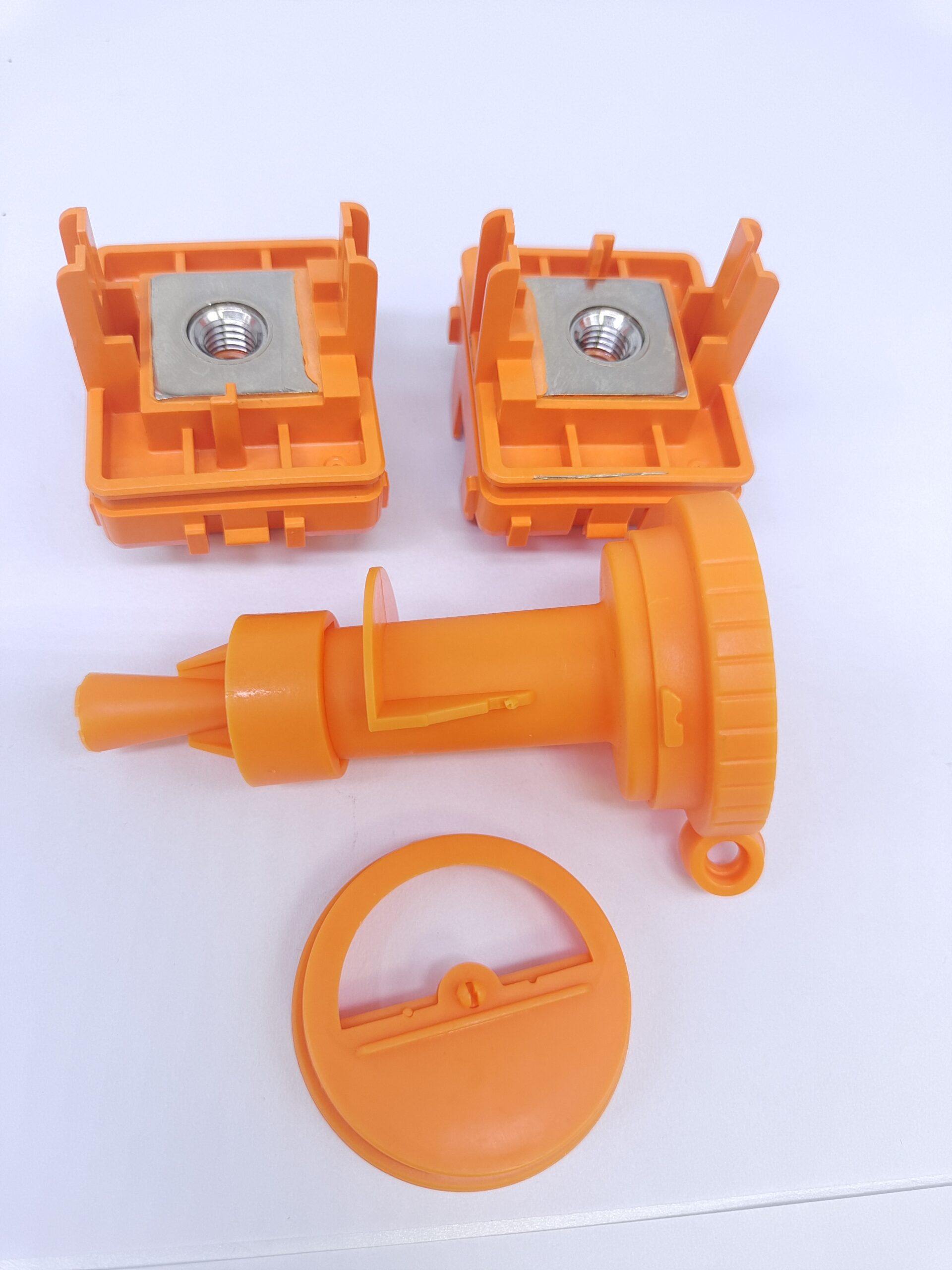
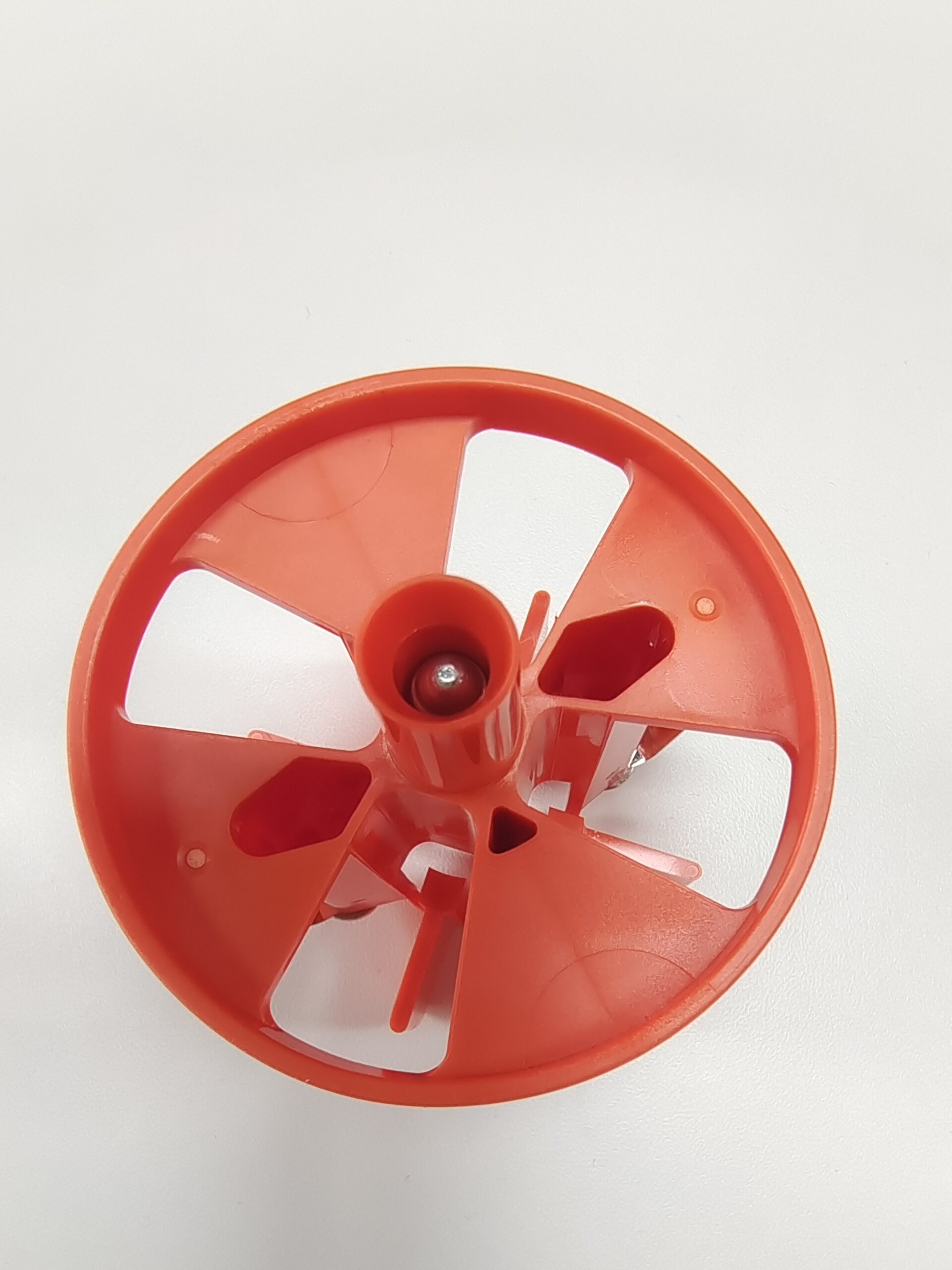
Insert molding is an advanced injection molding process where a pre-formed component, known as an insert, is placed into the mold cavity before the plastic is injected. The molten plastic then flows around and solidifies, permanently encapsulating and bonding with the insert to form a single, integrated part.
Key Characteristics:
- The Insert:Typically made from metal (e.g., screws, blades, pins, electrical contacts), but can also be ceramic, plastic, or even fabric.
- The Process:The insert is manually or robotically loaded into the mold. The mold closes, plastic is injected, and the finished composite part is ejected.
- The Bond:The connection is primarily mechanical (plastic flows into holes or knurls on the insert), but can also have a chemical bond depending on materials.
The Main Advantages of Insert molding:
- Enhanced Functionality:Combines the strength/conductivity of metal (or other materials) with the design flexibility and insulation of plastic in one part.
- Part Consolidation:Eliminates the need for secondary assembly (like press-fitting or adhesive bonding), reducing labor and potential failure points.
- Improved Reliability:Creates a strong, permanent bond between materials, often more secure than post-molding assembly.
- Design Efficiency:Allows for complex, multi-material parts to be produced in a single automated cycle.
Common Applications:
- Electronics:Electrical connectors with metal contacts, knobs with metal shafts.
- Automotive:Dashboard components with molded-in brass threads, sensors with encapsulated terminals.
- Tools & Hardware:Screwdriver handles with steel blades, razor handles with embedded blades.
- Medical Devices:Surgical tools with plastic grips over metal instruments.