
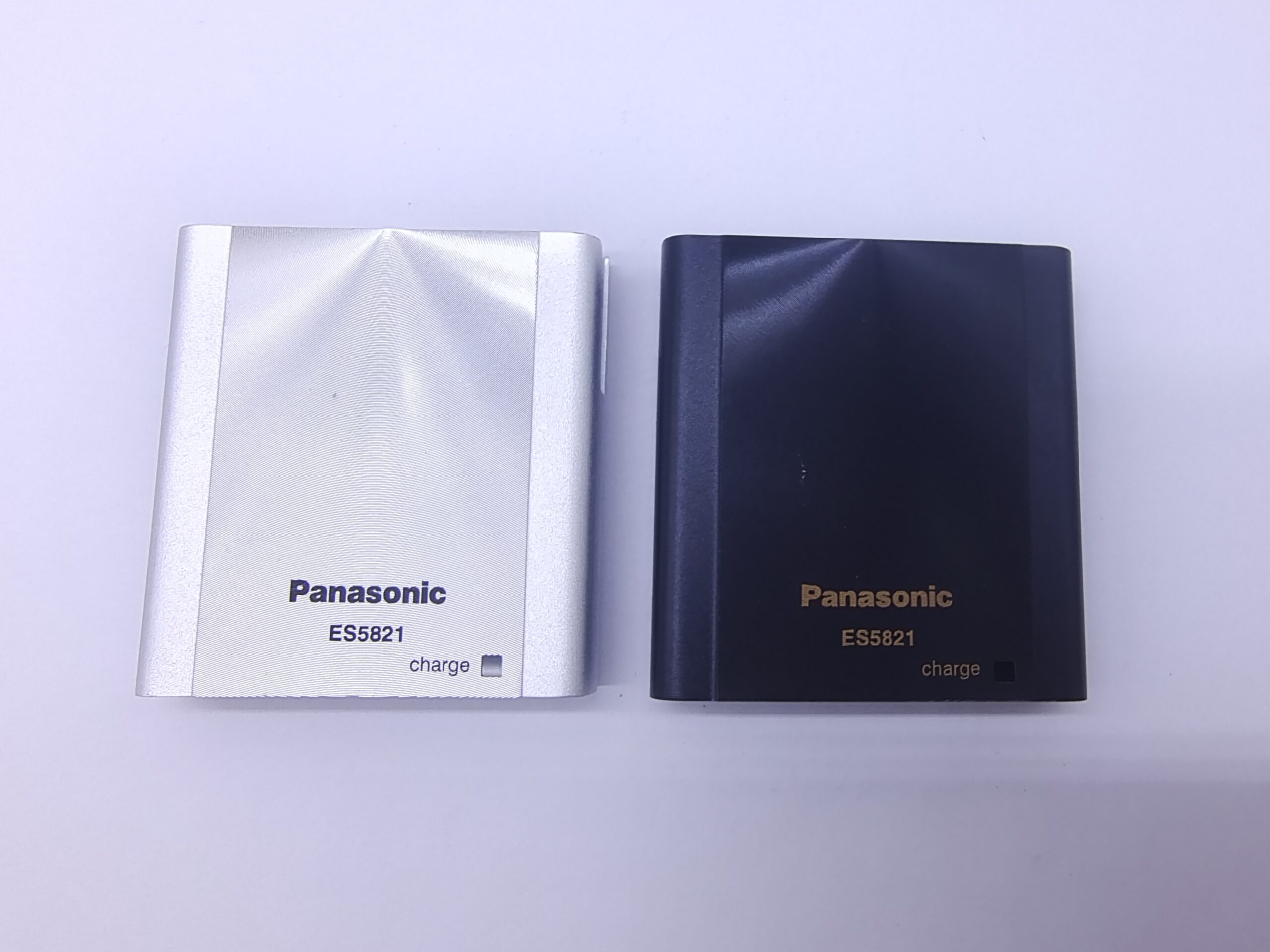
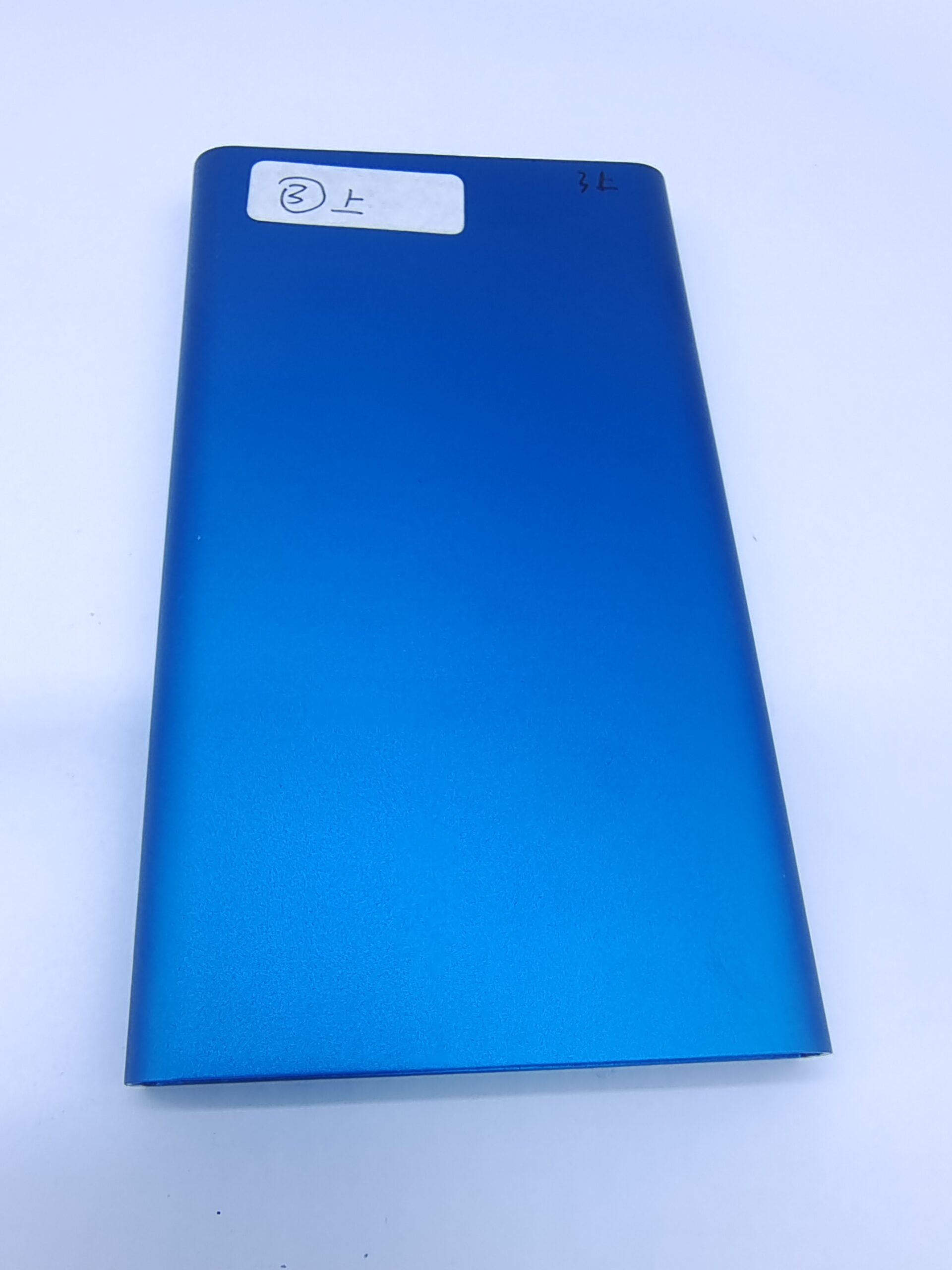
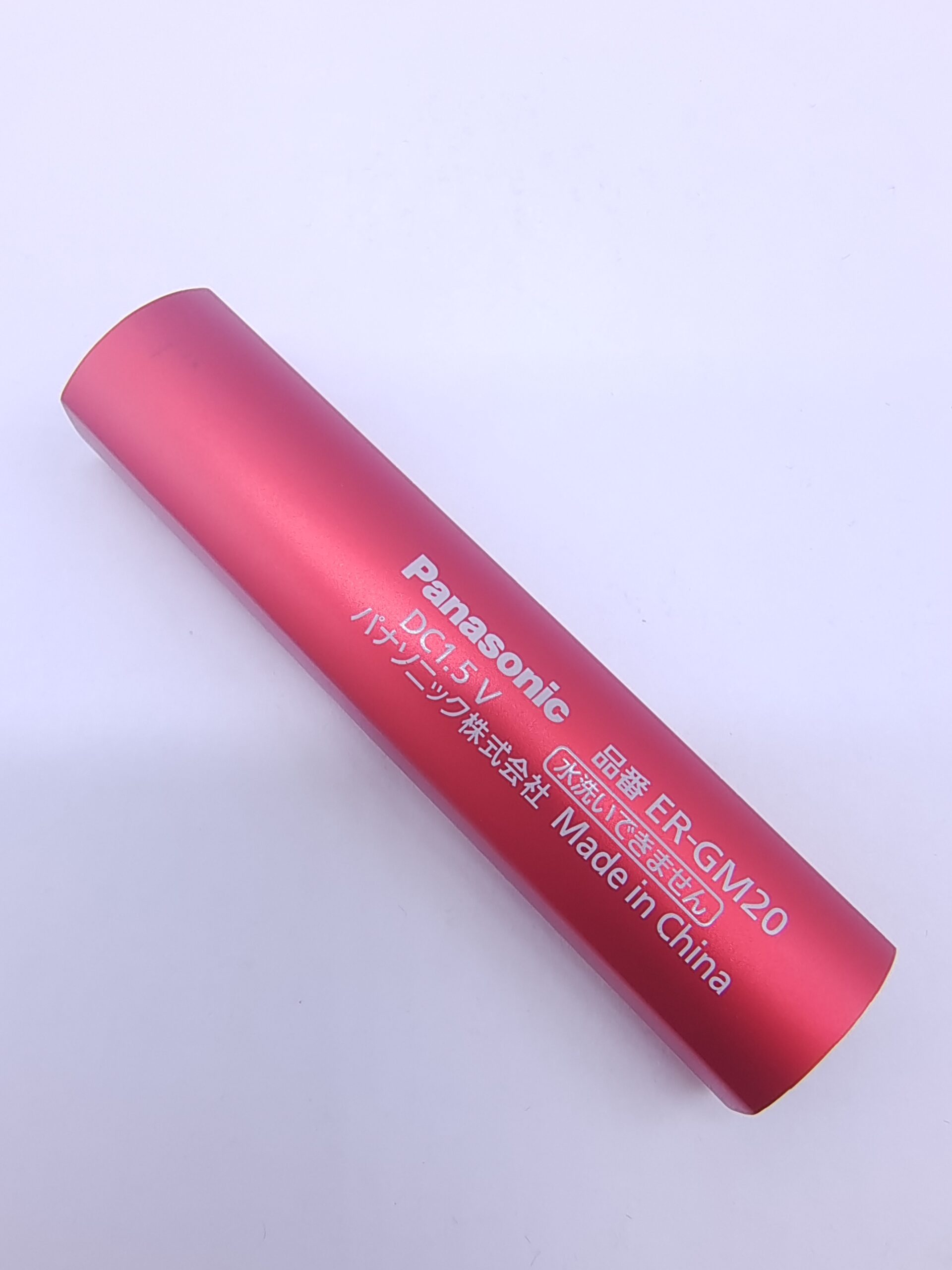
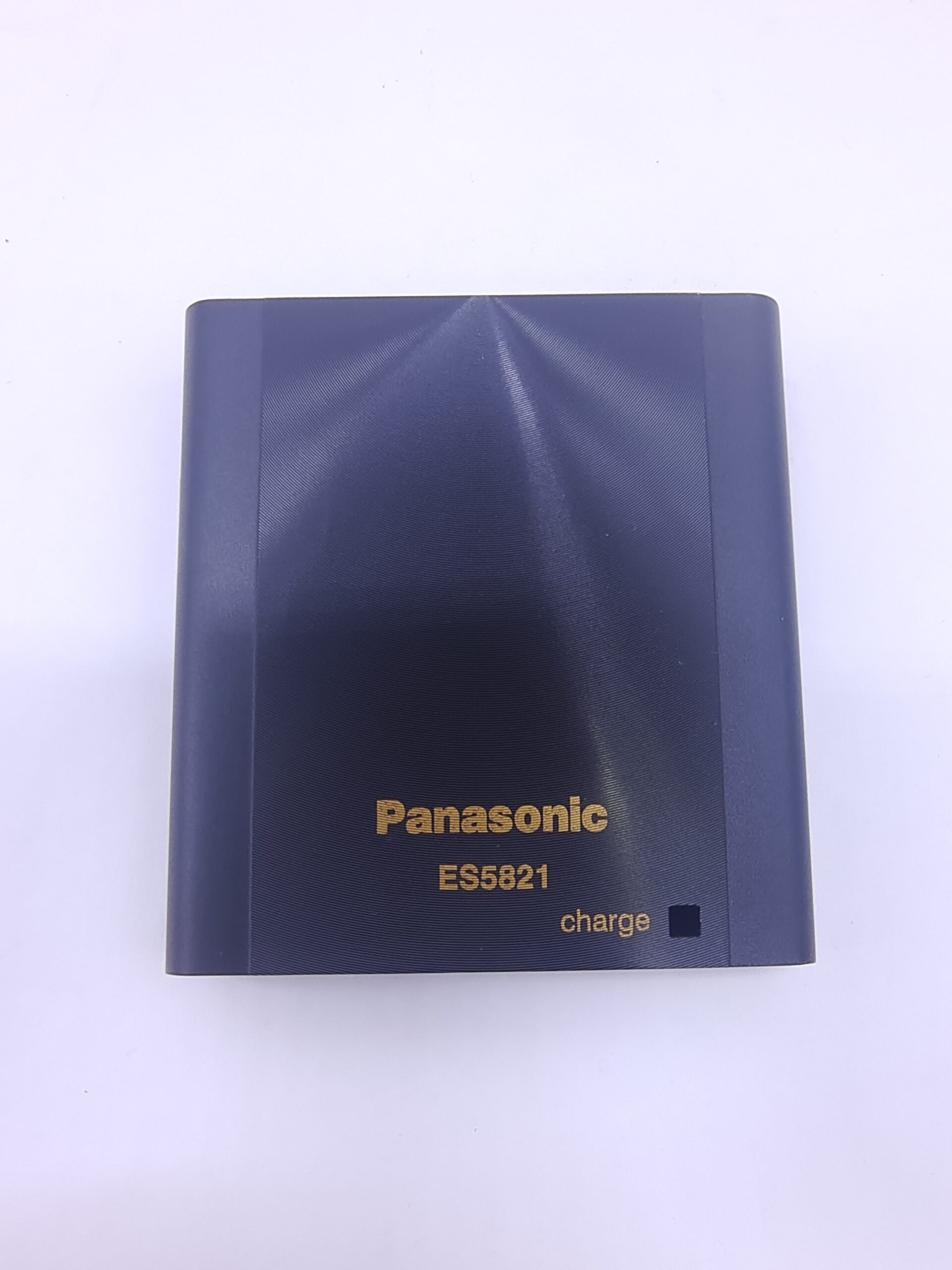
Description
What is the Aluminium Extrusion Process?
The aluminum extrusion process is a manufacturing technique that transforms aluminum alloy material into objects with a specific cross-sectional profile. Think of it like squeezing toothpaste out of a tube—the paste takes the shape of the tube’s opening. In extrusion, aluminum is forced through a shaped die to create long, continuous pieces of a desired shape.
It’s a fundamental process for creating everything from window frames and vehicle parts to heat sinks and structural components.
Core Concept
A cylindrical billet (a solid log) of heated aluminum alloy is pushed with immense force through a steel die. The die’s opening has the exact shape you want the final product to have. The aluminum emerges as a long, continuous “profile” that holds that shape along its entire length.
- Key Advantages
- Design Flexibility:Allows for incredibly complex, custom cross-sections that would be impossible or very costly with other methods like rolling or machining.
- Cost-Effective for Complex Shapes:Low tooling costs compared to other processes; dies are relatively inexpensive.
- Excellent Strength-to-Weight Ratio:Extruded aluminum profiles are very strong yet lightweight.
- Superb Surface Finish:The as-extruded surface is smooth and ideal for finishing.
- High Efficiency:Little to no material waste; scraps are fully recycled.