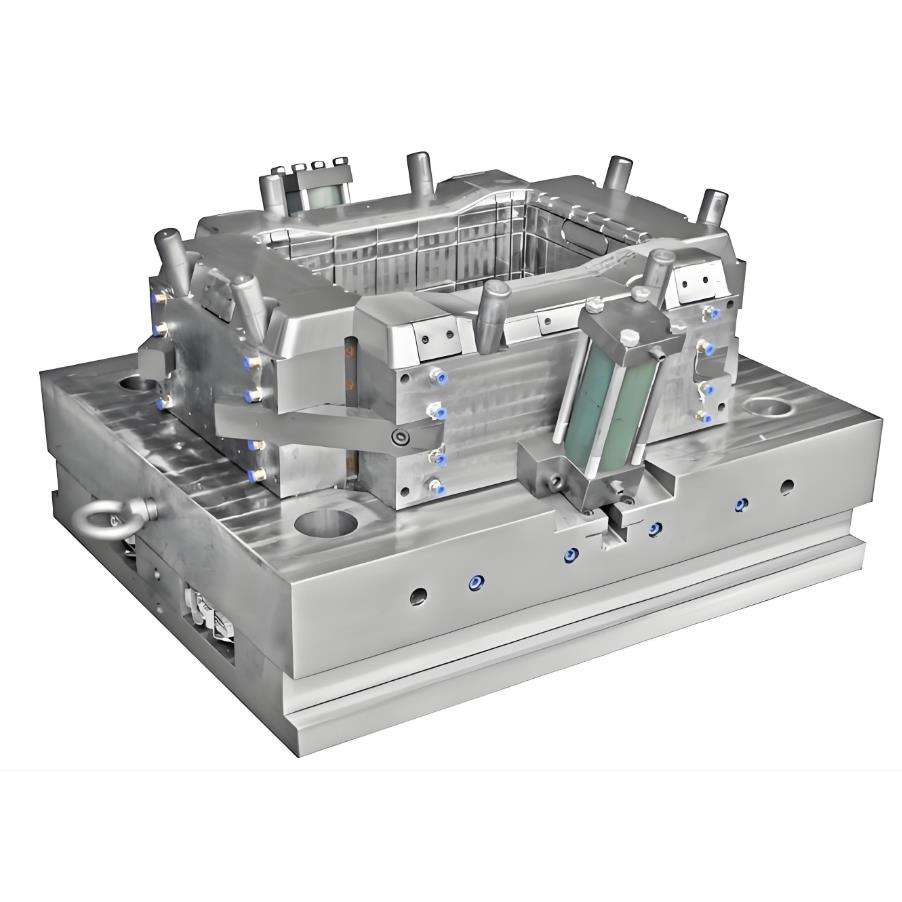
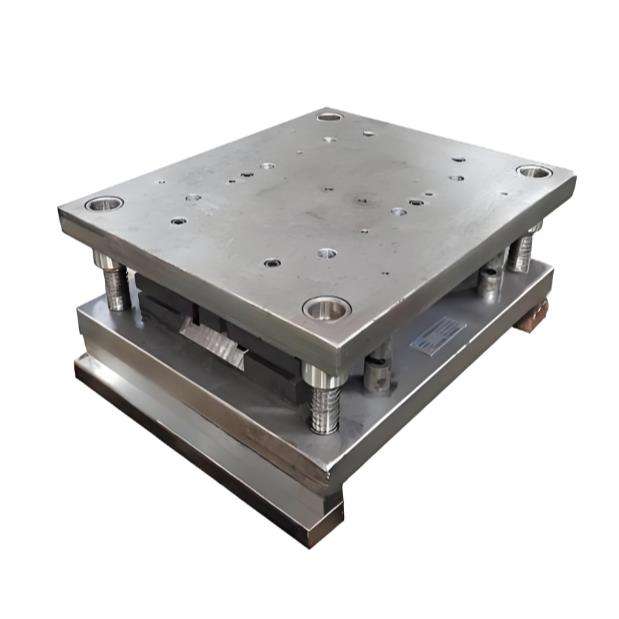
Description
What is die casting mold?
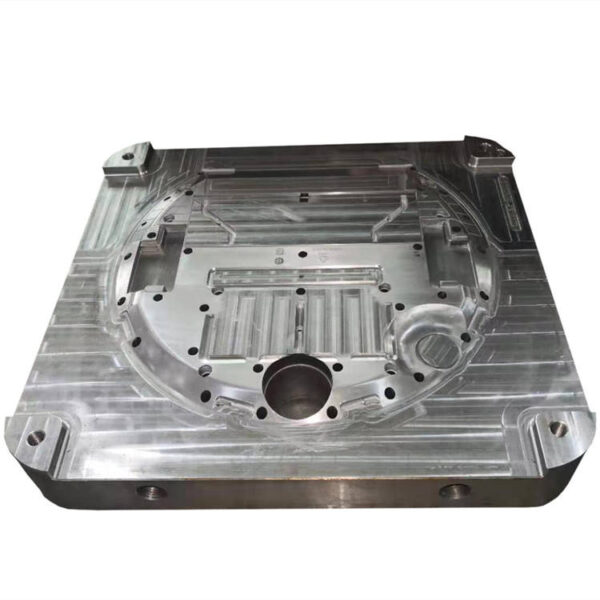
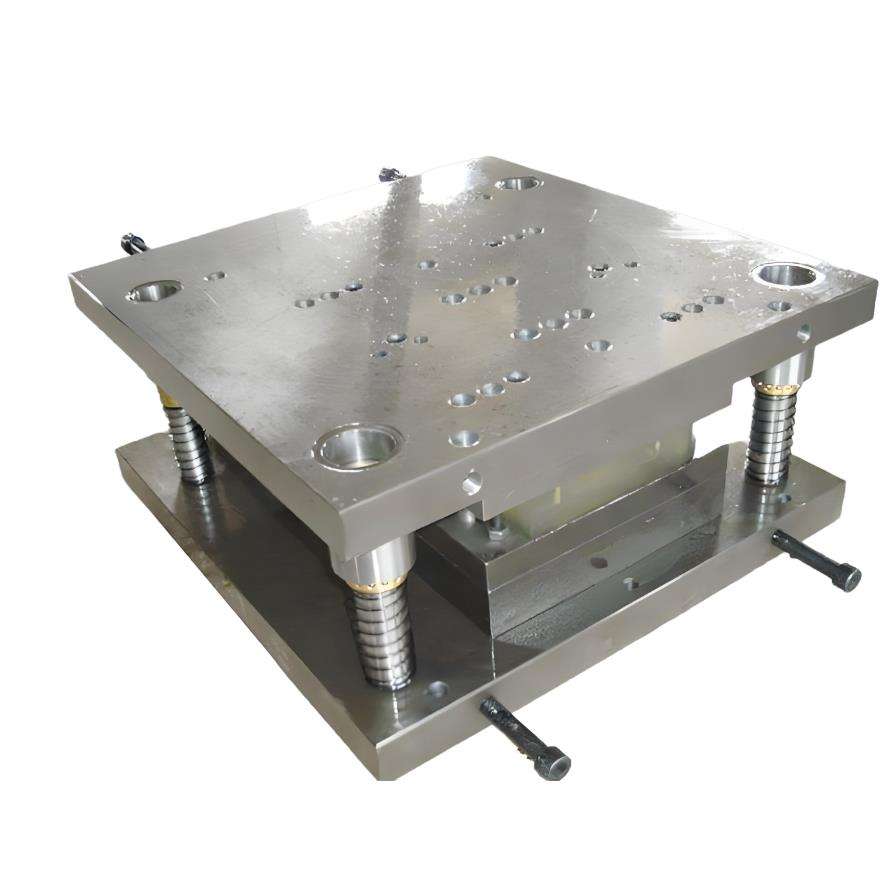
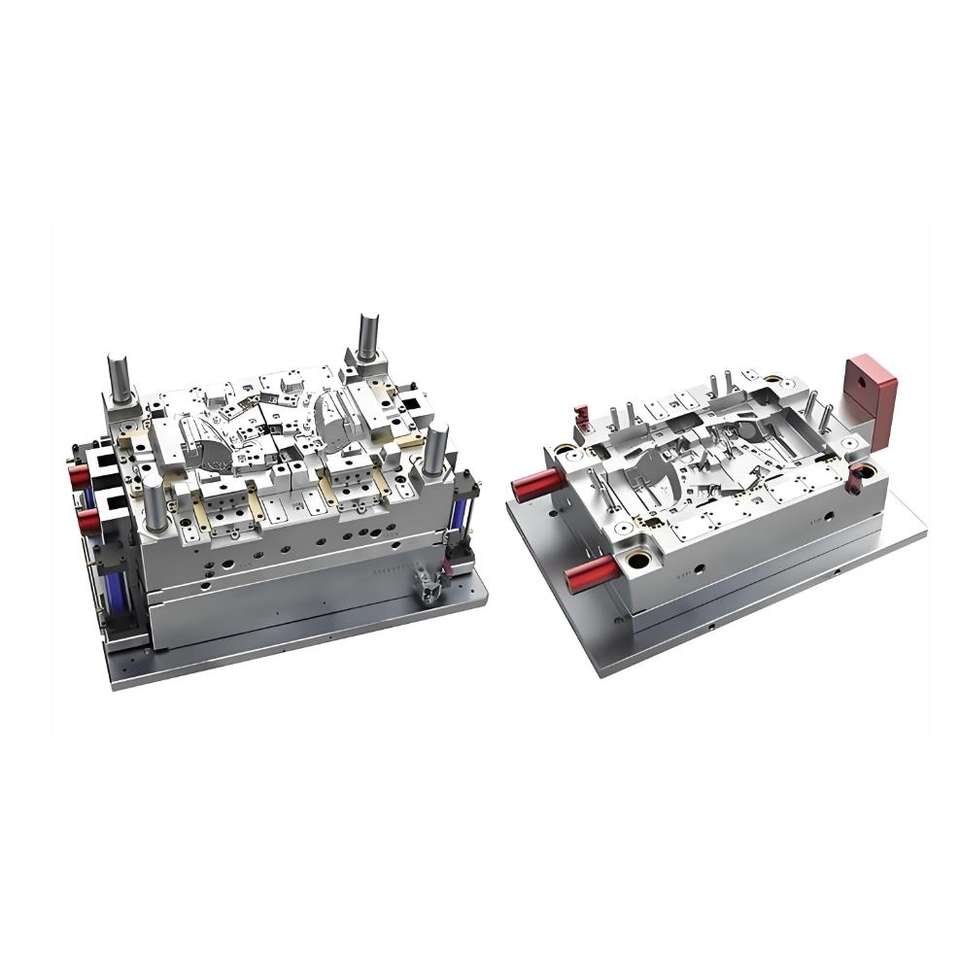
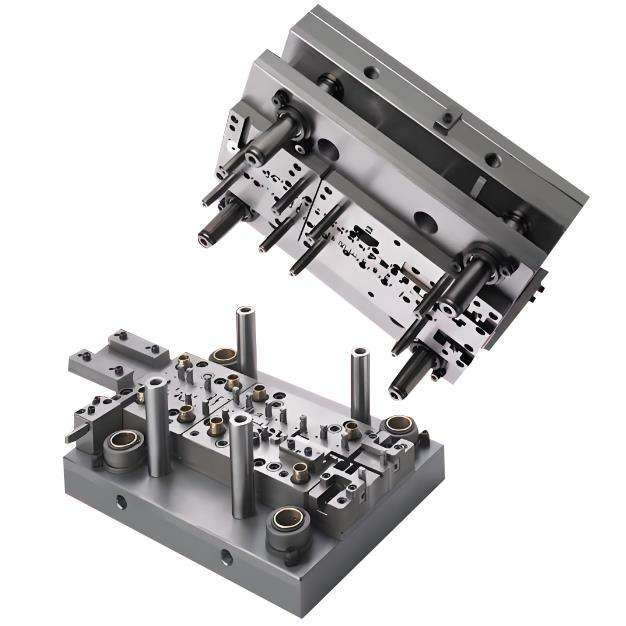
- A die casting mold, often called a die, is a high-precision, reusable steel mold used in the die casting manufacturing process.
- It is engineered to withstand extreme pressures and temperatures as molten metal—typically aluminum, zinc, or magnesium—is forcibly injected into its cavity at high speed.
- Once the metal solidifies, the die opens to eject a near-net-shape metal part with excellent dimensional accuracy, smooth surface finish, and intricate detail.
- This tool is fundamental for the high-volume production of complex, lightweight, and durable components found in industries ranging from automotive and consumer electronics to power tools and appliances.
- The design and quality of the die directly dictate the part’s consistency, cycle time, and overall production efficiency.
The advantage of die casting mold
The primary advantage of a die casting mold is its ability to enable high-speed, high-volume production of complex metal parts with exceptional repeatability. Once the high-initial-cost mold is created, it offers:
- Superior Part Quality & Consistency:Produces parts with excellent dimensional accuracy, tight tolerances, and very smooth surface finishes straight from the mold (often reducing secondary machining).
- Complex Geometries:Capable of forming intricate shapes, thin walls, and integrated features (like ribs, bosses, and threads) that would be difficult or impossible with other methods.
- High Production Speed:The cycle time (injection, cooling, ejection) is very fast, allowing for hundreds or thousands of cycles per hour.
- Material Efficiency & Strength:The process minimizes material waste (vs. machining from a solid block) and produces parts with high strength and good rigidity due to the fast cooling.
- Excellent Surface Finish:Parts emerge with a smooth surface suitable for plating, painting, or use as-is.
- Long Tooling Life:Made from hardened tool steel, a well-maintained mold can produce hundreds of thousands to millions of parts, making the high initial cost economical over time.